
University and research impact
Nature Index 2026 country Share · 2025 research output
2,827.28
7th globally
52,735.17
1st globally
SourceNature Index 2026 ↗

INFORMATION ASYMMETRY · CHINA FIELD GUIDE
From a Korean perspective, we explain the systems and structures shaping China’s policy, industry, regions and institutions.
This archive will keep adding the concepts needed to understand Chinese innovation.
01 · SCALE · BEGIN WITH THE NUMBERS
We begin with the latest comparable public data across research, universities, talent, companies, capital and manufacturing to establish China’s absolute scale and pace of change.
KOREA × CHINA · THE SCALE OF CHANGE
We use the latest comparable public data to read both scale and momentum. Where programs or statistical scopes differ, we state those differences rather than treating them as equivalents.
02 · INSIGHT · INTERPRET THE DIFFERENCE
These figures are not a league table of superiority. They are a starting point for asking where change is accelerating, where bottlenecks and risks lie, and where Korea’s strengths can become credible cooperation and business.
Scale alone does not prove competitiveness, but it can provide the conditions for more experimentation and commercialization.
Universities, talent, companies, capital and manufacturing are not isolated metrics; they must be read together as an interconnected industrial and innovation system.
Rather than replicate absolute scale, Korea must identify its comparative strengths, China’s bottlenecks and specific points of verifiable cooperation.
03 · CONCEPTS · UNDERSTAND THE TERMS
Terms that appear similar can have different meanings and effects when their institutions, approving authorities and scope differ. After establishing scale through the numbers, we explain the concepts and operating structures behind China’s policies, industries, regions and institutions through official source texts and field knowledge.
CONTENTS · 01—60
Find every China concept quickly by number and title.
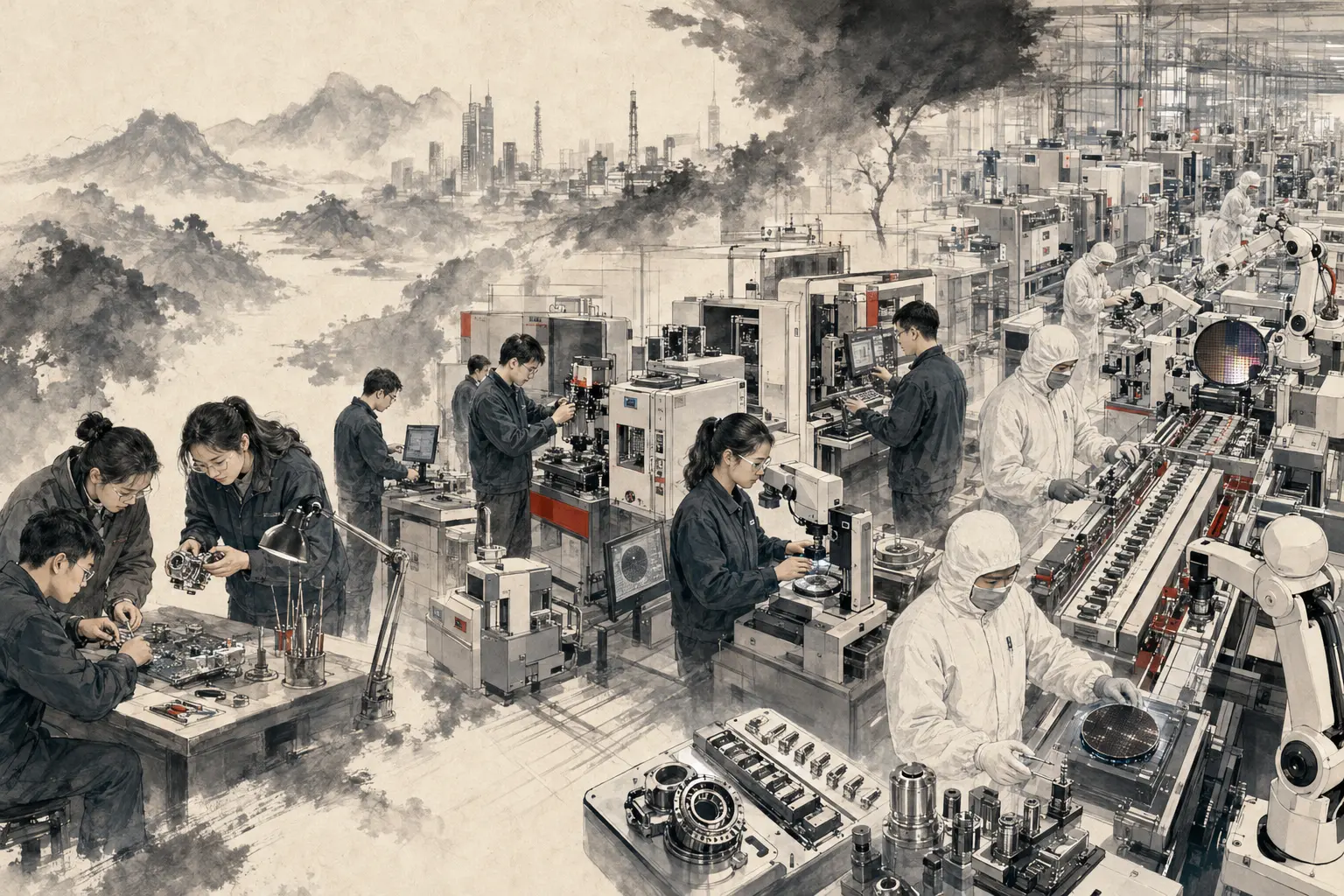
中国优质中小企业梯度培育体系
A step-by-step guide from technology- and innovation-oriented SMEs to Specialized SMEs and national Little Giants, with careful Korean reference points.
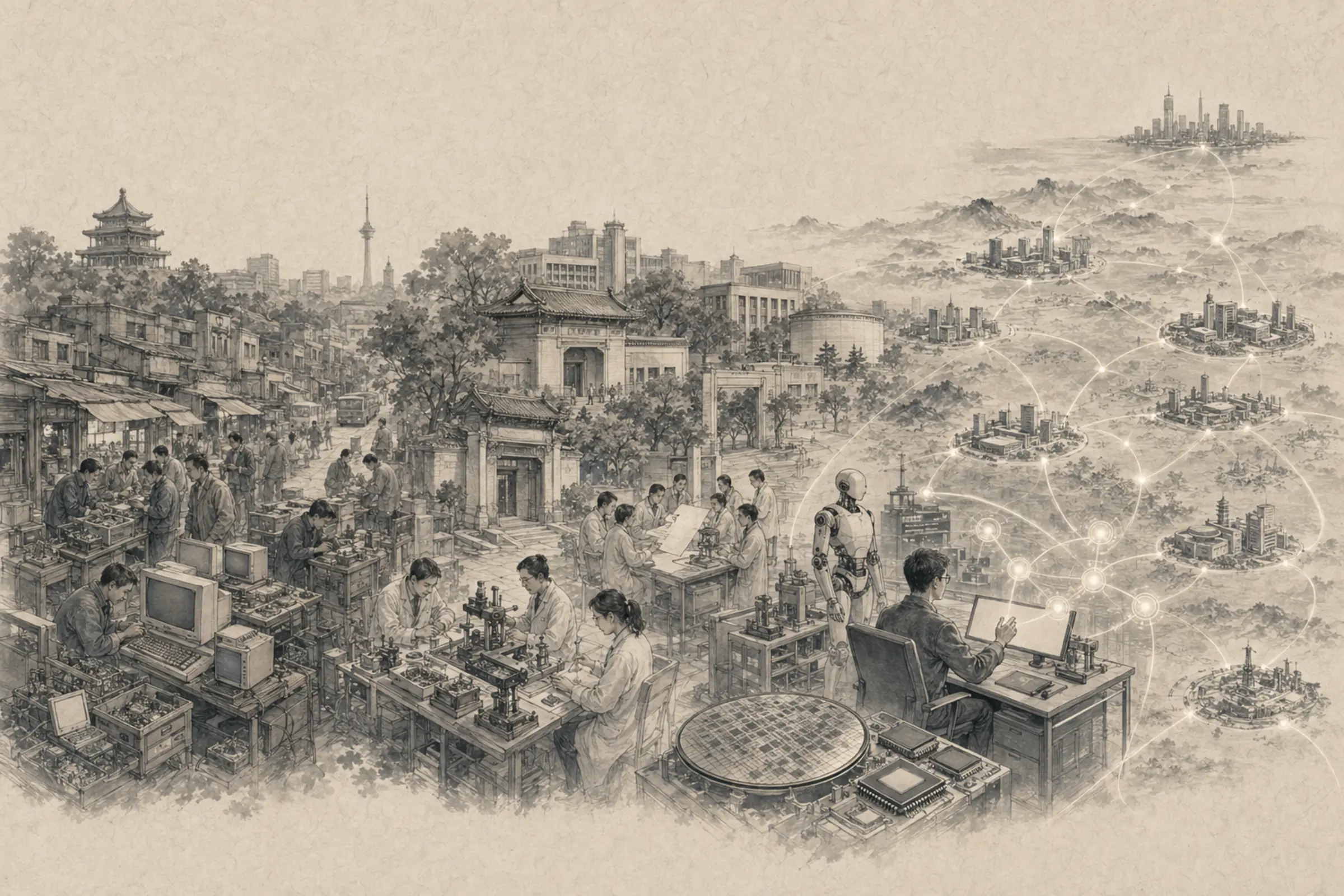
读懂中关村
Separate the original Haidian neighborhood, electronics markets, national innovation zone, AI institutions, OPC community and domestic and global networks that all share the Zhongguancun name.

开发区、产业园区与综合保税区
Separate development zones, industrial parks, ETDZs, HTZs, pilot free trade zones and comprehensive bonded zones—then compare their approval levels and functions with Korean reference points.
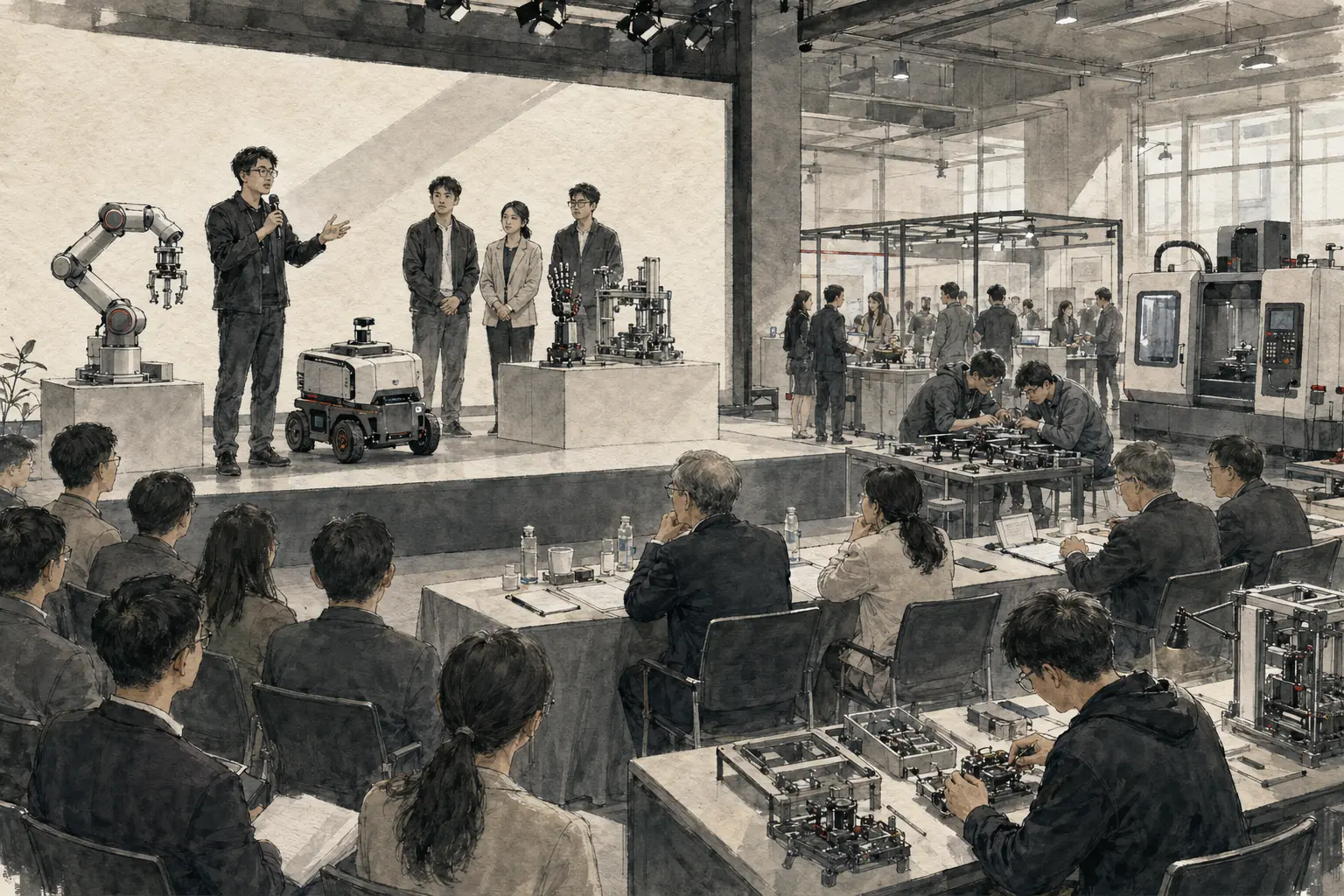
中国主要创新创业大赛
Distinguish Golden Panda, HICOOL, Maker China, the China Innovation and Entrepreneurship Competition, Shenzhen’s competition and the international college-student contest—then verify landing, financing and outcome claims.
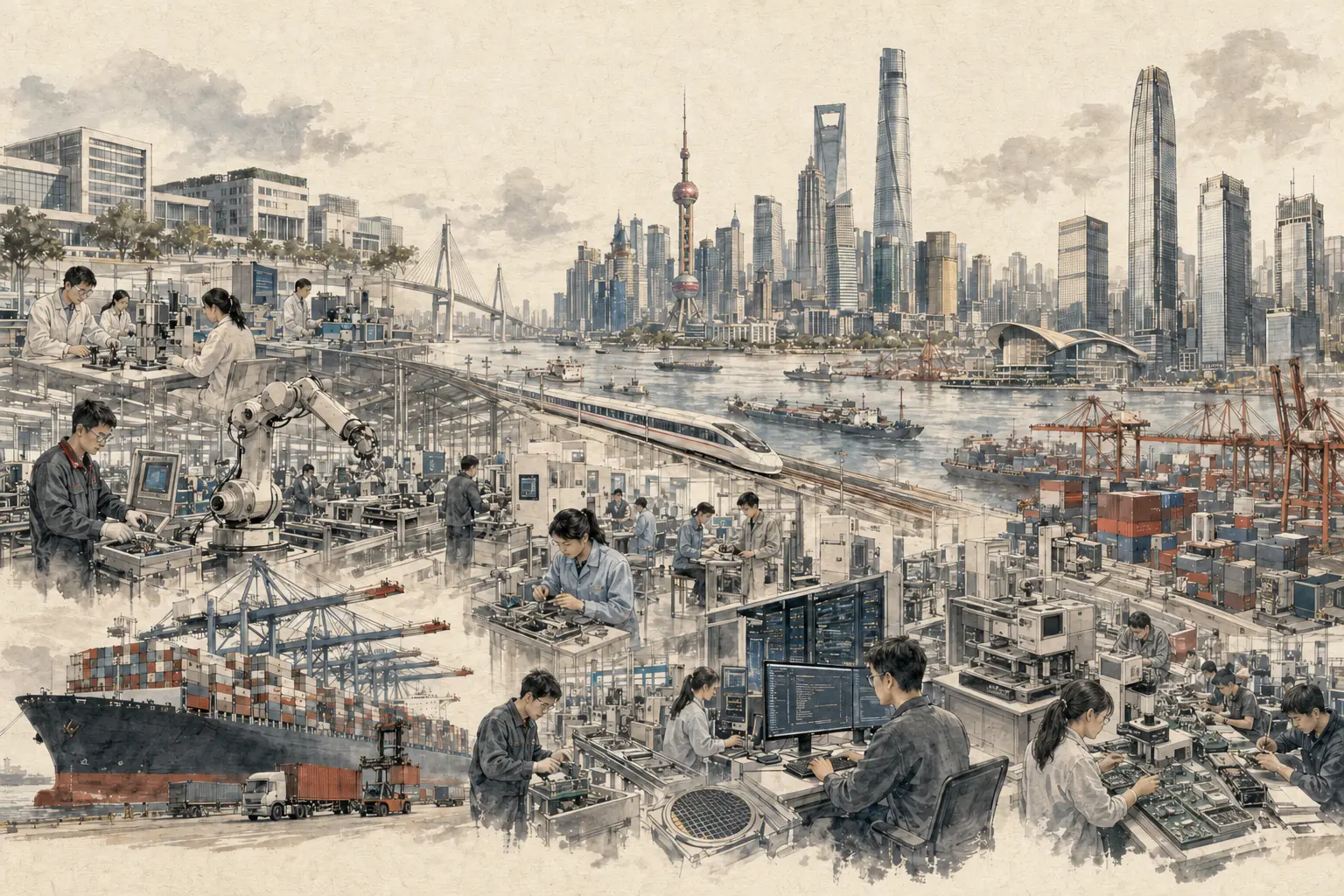
京津冀、长江三角洲与粤港澳大湾区
Read Jing-Jin-Ji, the Yangtze River Delta and the Greater Bay Area as three distinct operating systems for R&D, manufacturing, markets, logistics and finance—with response options for Korean stakeholders.
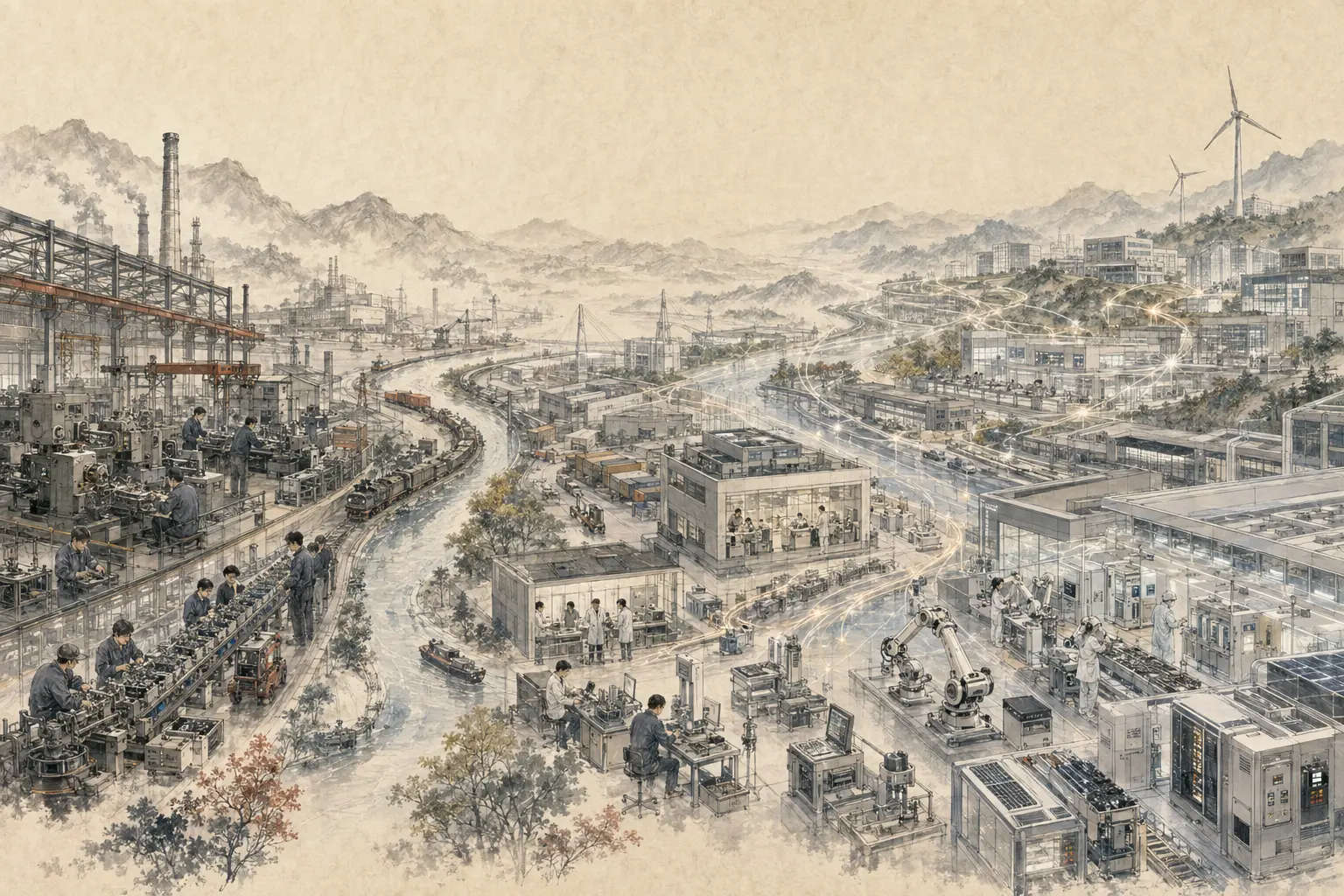
成渝、长江中游与关中平原城市群
A PWSGROUP analytical framework comparing Chengdu–Chongqing, the Middle Yangtze city cluster and the Guanzhong Plain by geography, industry, supply chains and policy status. It is not an official collective label.
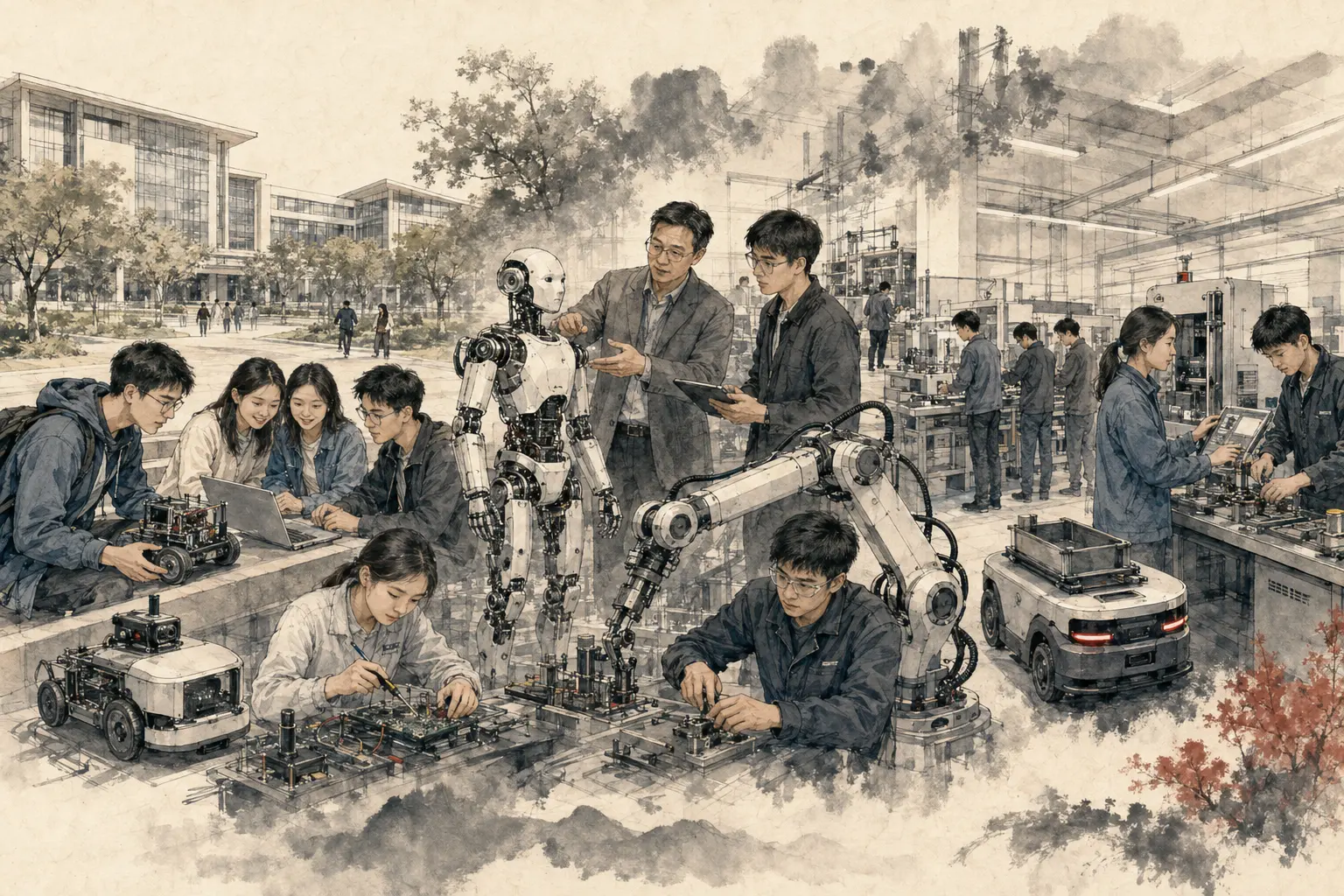
AI+与具身智能时代的中国教育转型
A source-based guide to embodied-intelligence research and entrepreneurship, major redesign at ordinary universities and practice-led change in vocational education.
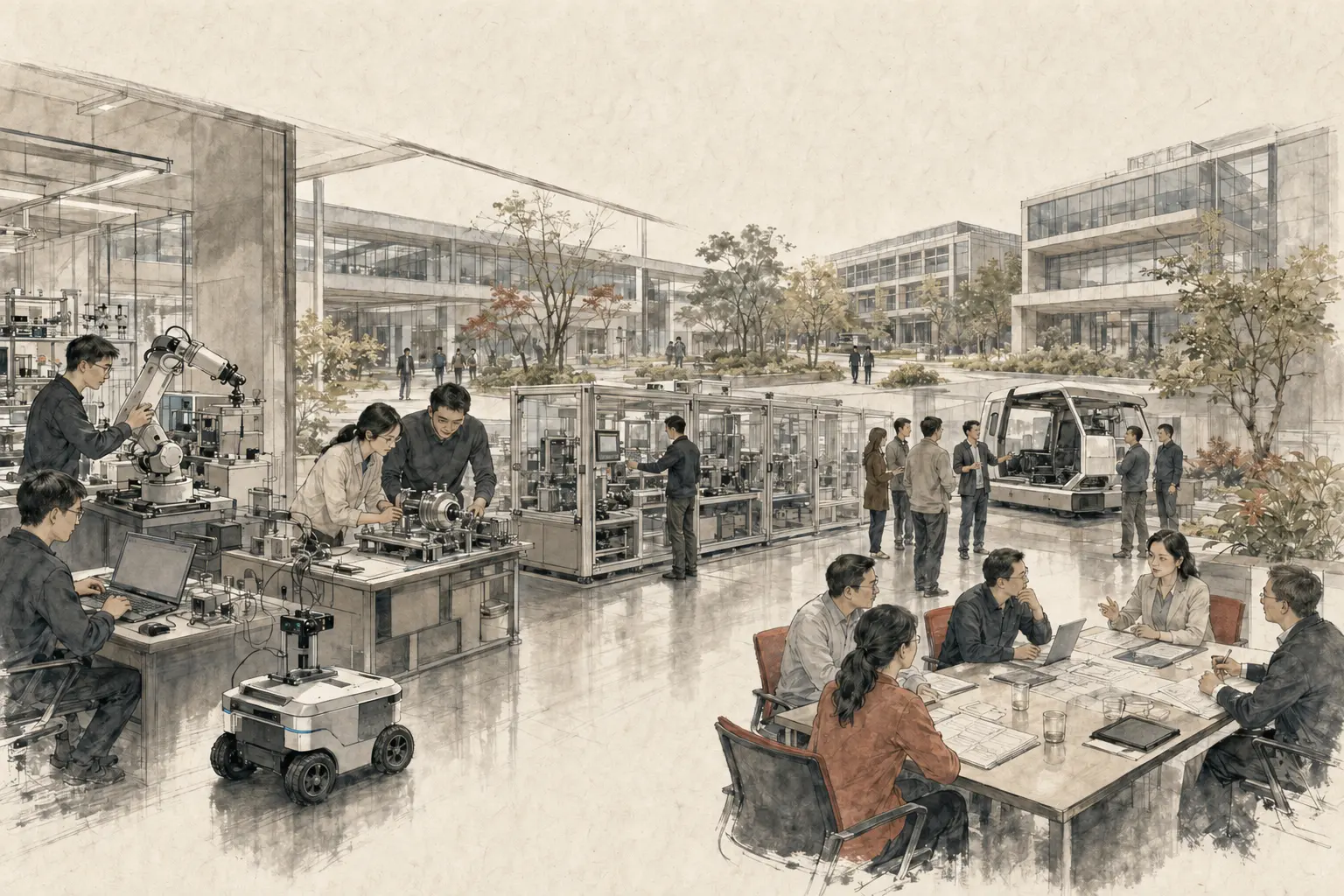
浙江清华长三角研究院与政产学研金介用
A primary-source guide to the institute’s legal status, governance, applied R&D, pilot testing, investment and market-use structure—and the distinction between its official model and PWSGROUP’s Korean adaptation.
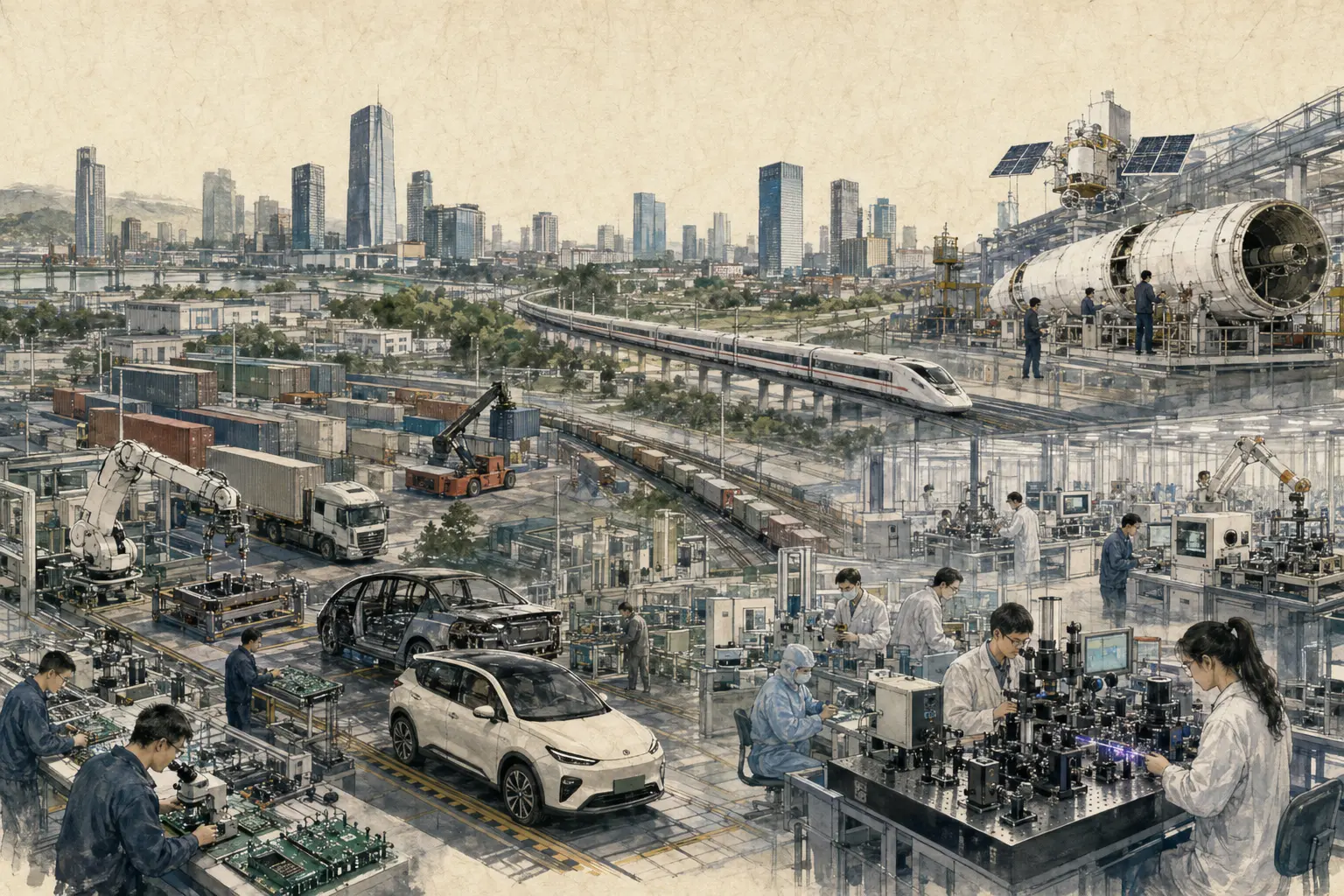
从中国制造2025到人工智能+与智能经济
A primary-source map of how the manufacturing-power agenda branched into technology self-reliance, smart manufacturing, industrial-base renewal, supply-chain resilience, green transition and AI+, then reconverged in the 15th Five-Year Plan.

AI时代的OPC与超级个体生态
A systems view of AI-enabled one-person companies: the shared compute, space, legal, finance and customer infrastructure behind them, with verified cases from Zhongguancun’s AI North Latitude Community, KSI and cities across China.

法律、行政法规、部门规章与政策文件
Distinguish laws, administrative regulations, ministry rules, normative documents, plans, opinions, notices and action plans by issuer, legal basis, scope and enforcement—not by title alone.
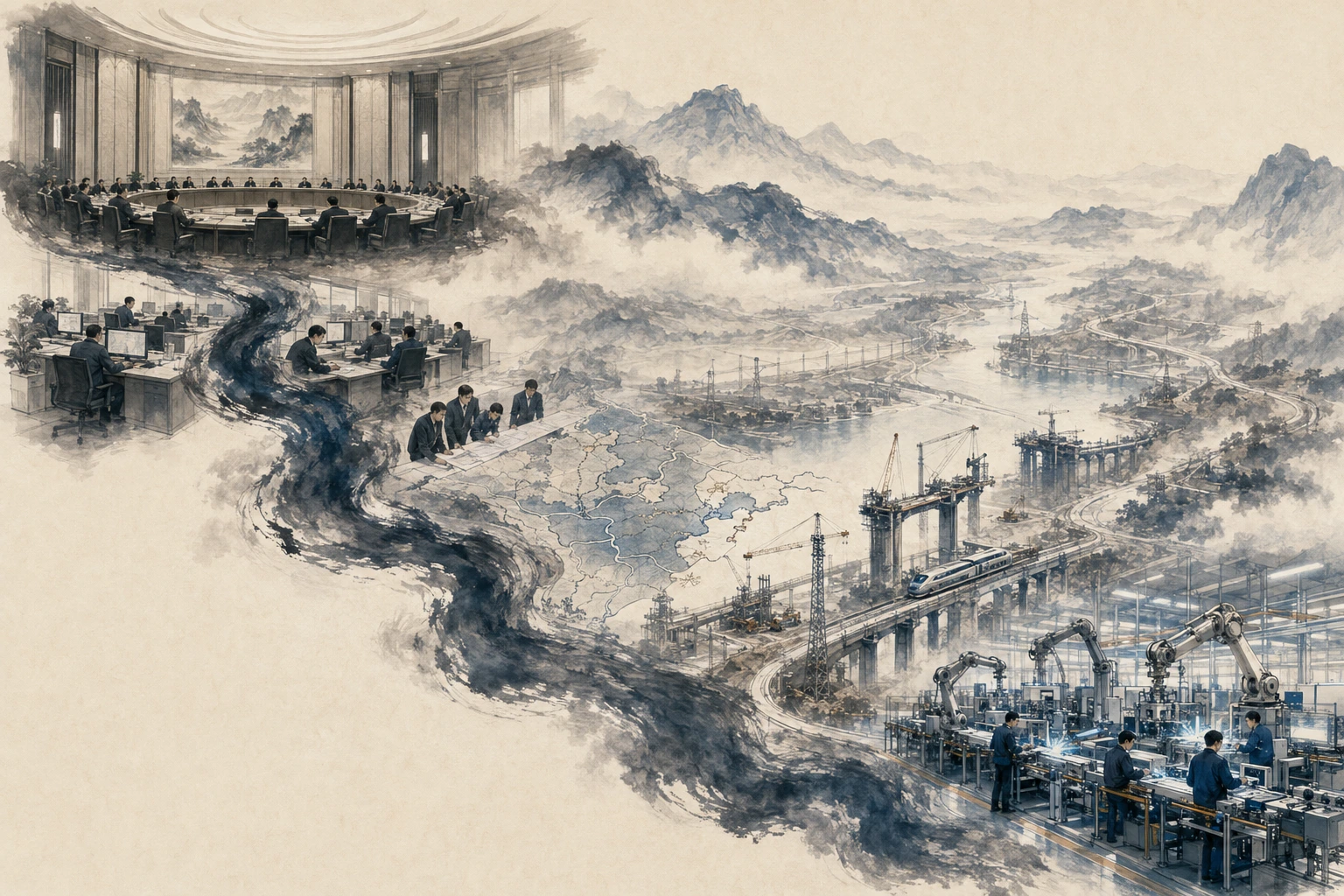
五年规划与三级四类国家规划体系
Explains China’s three-level, four-type planning system and how national plans connect to spatial, sectoral, regional and local plans, annual budgets and major projects.
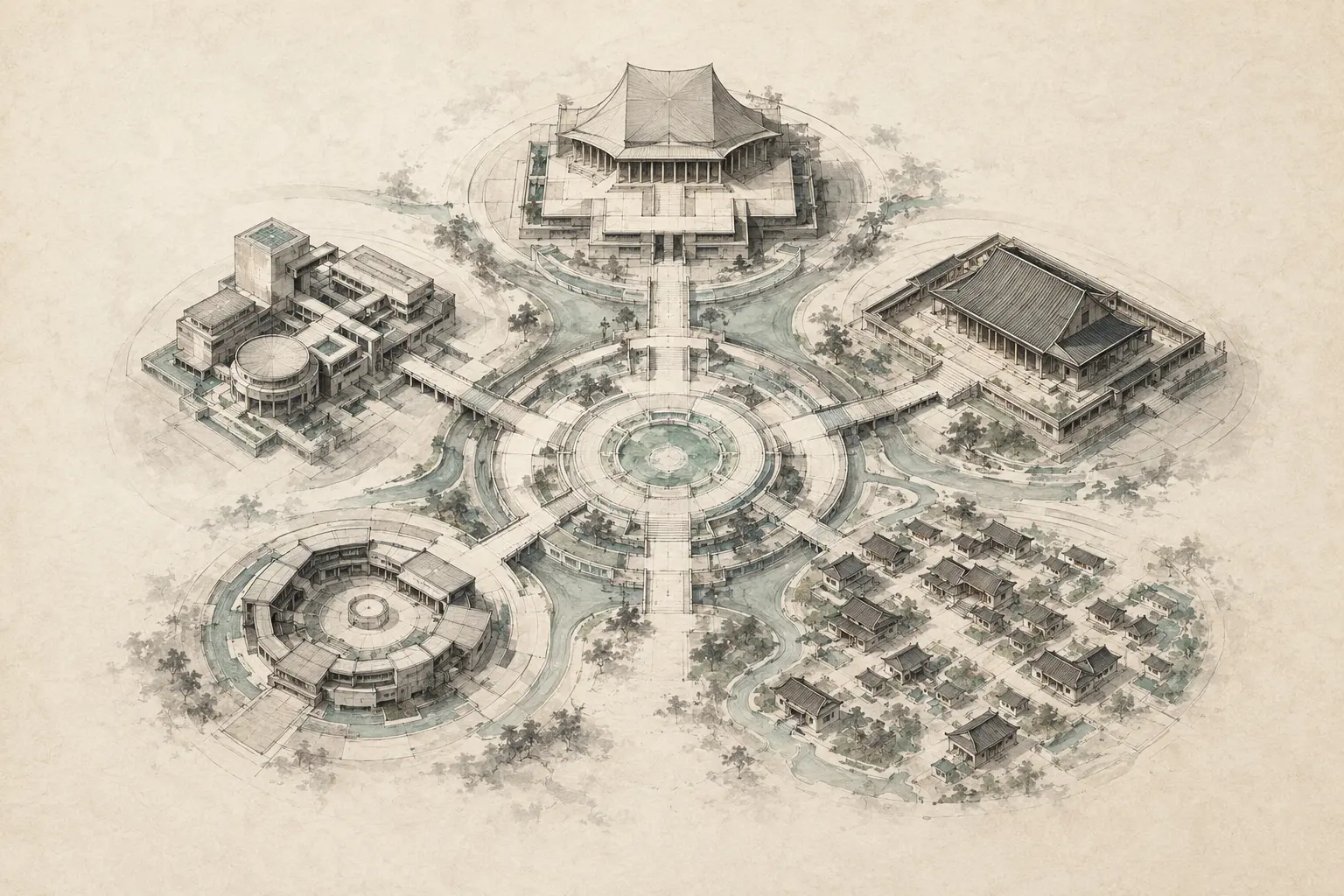
党、全国人大、国务院、部委与地方政府
Separates Party direction, National People’s Congress legislation and budgets, State Council and ministry administration, and local project implementation.
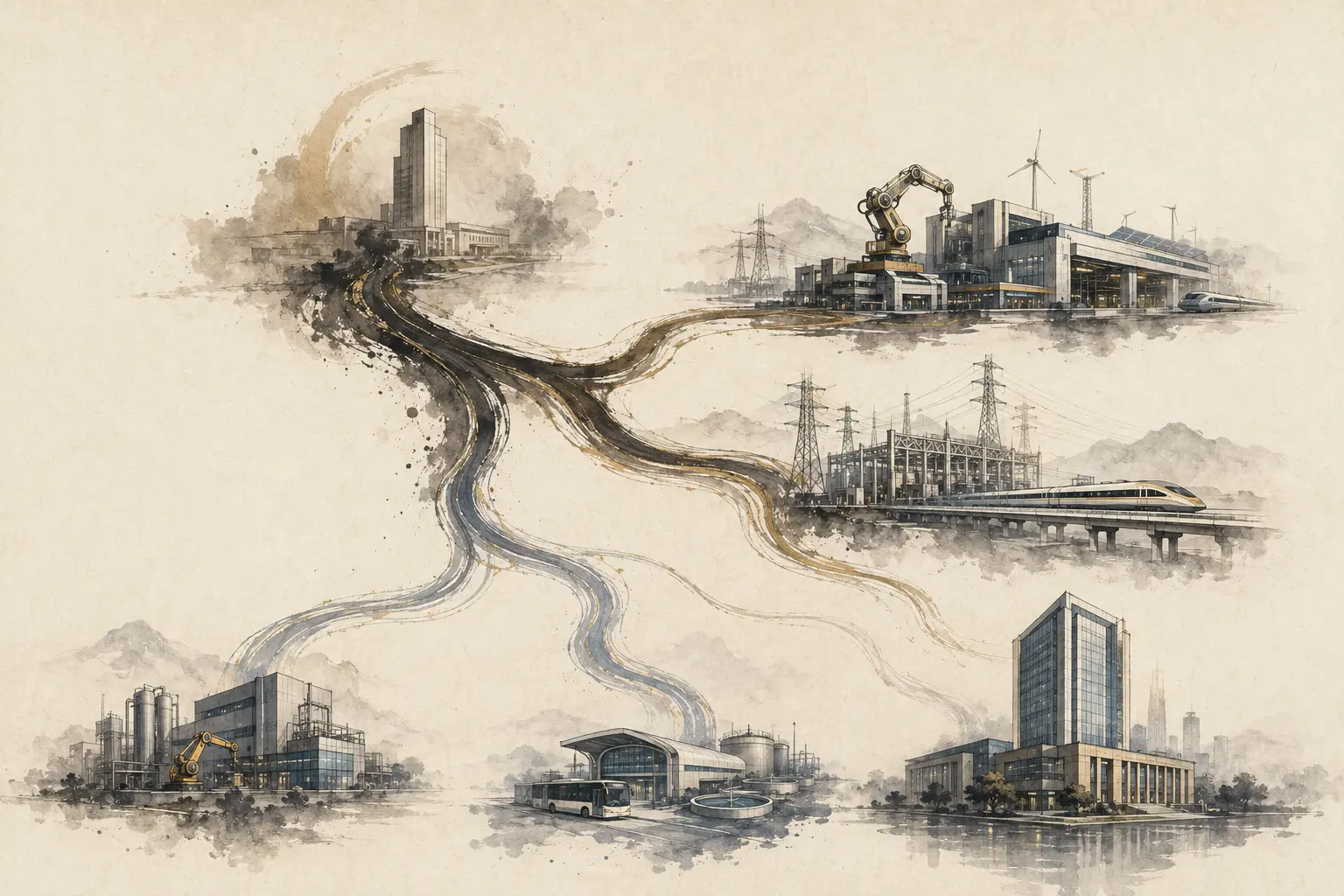
中央企业、地方国企、国有控股与混合所有制
Classifies central and local SOEs, state-wholly-owned, state-controlled, state-invested and mixed-ownership firms by investor, supervisor and control.

实际控制人、受益所有人、一致行动人与最终受益人
Separates registered shareholders, controlling shareholders, actual controllers, concert parties, beneficial owners and ultimate beneficiaries by ownership, control, benefit and regulatory purpose.

事业单位、社会团体、社会服务机构、新型研发机构与企业法人
Classifies public institutions, social organizations, social-service entities, companies and new-type R&D institutions by registry, assets, governance, contracting and IP responsibility.

直辖市、副省级城市、计划单列市、国家中心城市与新一线
Separates official administrative and planning status—municipalities, sub-provincial and separately planned cities, national central cities—from commercial first-tier rankings.
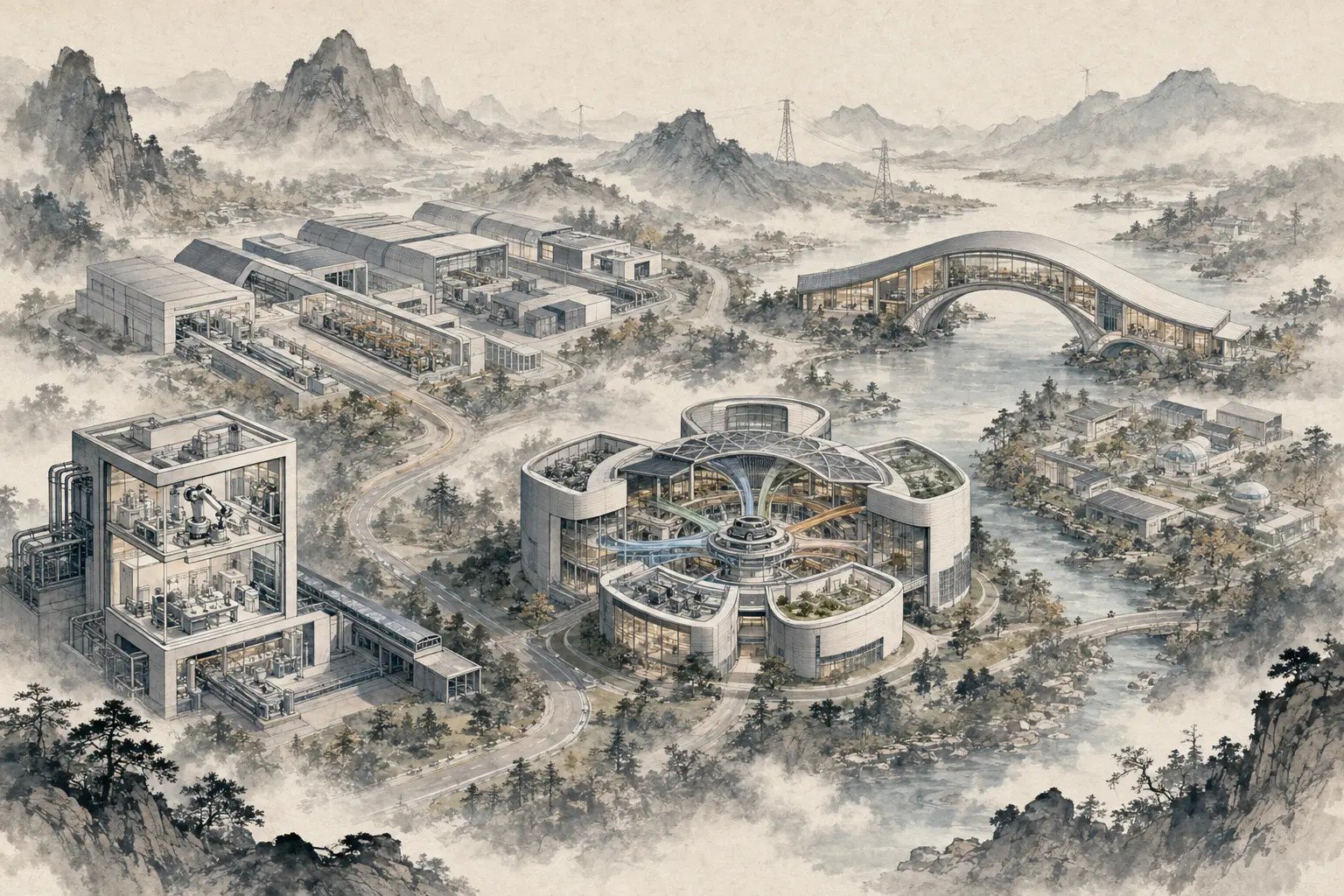
国家企业技术中心、产业创新中心、制造业创新中心与技术创新中心
Compares national enterprise technology, industrial innovation, manufacturing innovation and technology innovation centers by approver, legal form, technology stage and public function.

概念验证、中试验证、技术转移与首台套、首批次、首版次
Maps the ladder from proof of concept, engineering and pilot testing through certification, transfer and first-market adoption of equipment, materials and software.

政府投资基金、引导基金、母基金、子基金与耐心资本
Distinguishes government, industrial and venture guidance funds, funds of funds, sub-funds, direct investment and patient capital by capital, operation, local-return, exit and evaluation.

主板、科创板、创业板、北交所、新三板与区域性股权市场
Maps Shanghai/Shenzhen main boards, STAR, ChiNext, Beijing Stock Exchange, NEEQ and regional equity markets by company stage, sector, disclosure, investors and transfer pathways.
市场准入负面清单、外商投资负面清单与安全审查
Separates the universal market-access negative list, national and FTZ foreign-investment lists, security review and post-entry regulation.

境外投资的核准、备案、报告、外汇登记与资金汇出
Connects NDRC project approval/filing/reporting, commerce registration, bank FX registration, SOE and sector approvals, remittance and host-country review.

GB、GB/T、行业标准、团体标准与CCC认证
Separates mandatory and recommended national, industry, local, association and enterprise standards from CCC conformity certification.

数据出境安全评估、标准合同、个人信息保护认证与自贸区负面清单
Separates security assessment, personal-information standard contracts, certification, FTZ negative lists and exemptions by important data, volume, processor type and necessity.
算电协同、绿电直连与人工智能的第一层
Explains AI's energy layer through grid location, interconnection, hourly power, green electricity, cooling and China's compute-power coordination.

训练芯片、推理芯片、存储、互连与先进封装
Reads training and inference accelerators, high-bandwidth memory, interconnects, advanced packaging, design tools, equipment and materials as one system.

智算中心、算力枢纽、集群调度与绿色低碳
Distinguishes general and intelligent compute, eight hubs and ten clusters, networking, orchestration, PUE, water and utilization through usable compute.
基础模型、行业模型、微调、检索增强与模型部署
Separates foundation, general and industry models, pretraining, tuning, retrieval, agents, evaluation and deployment through data, task, cost and accountability.

生成式人工智能备案、应用登记、算法备案与生成合成内容标识
Separates generative-AI service filing, API application registration, algorithm filing, synthetic-content labeling and product-workflow accountability for China launch.
市场准入负面清单、外商投资负面清单与安全审查
Distinguishes market-access, foreign-investment and FTZ negative lists from investment security review through the path from incorporation to licensed operation.

对外投资核准、备案、外汇登记与交易交割
Separates corporate, development-reform, commerce, FX, bank and Korean closing gates to distinguish investment intent from remittable capital.
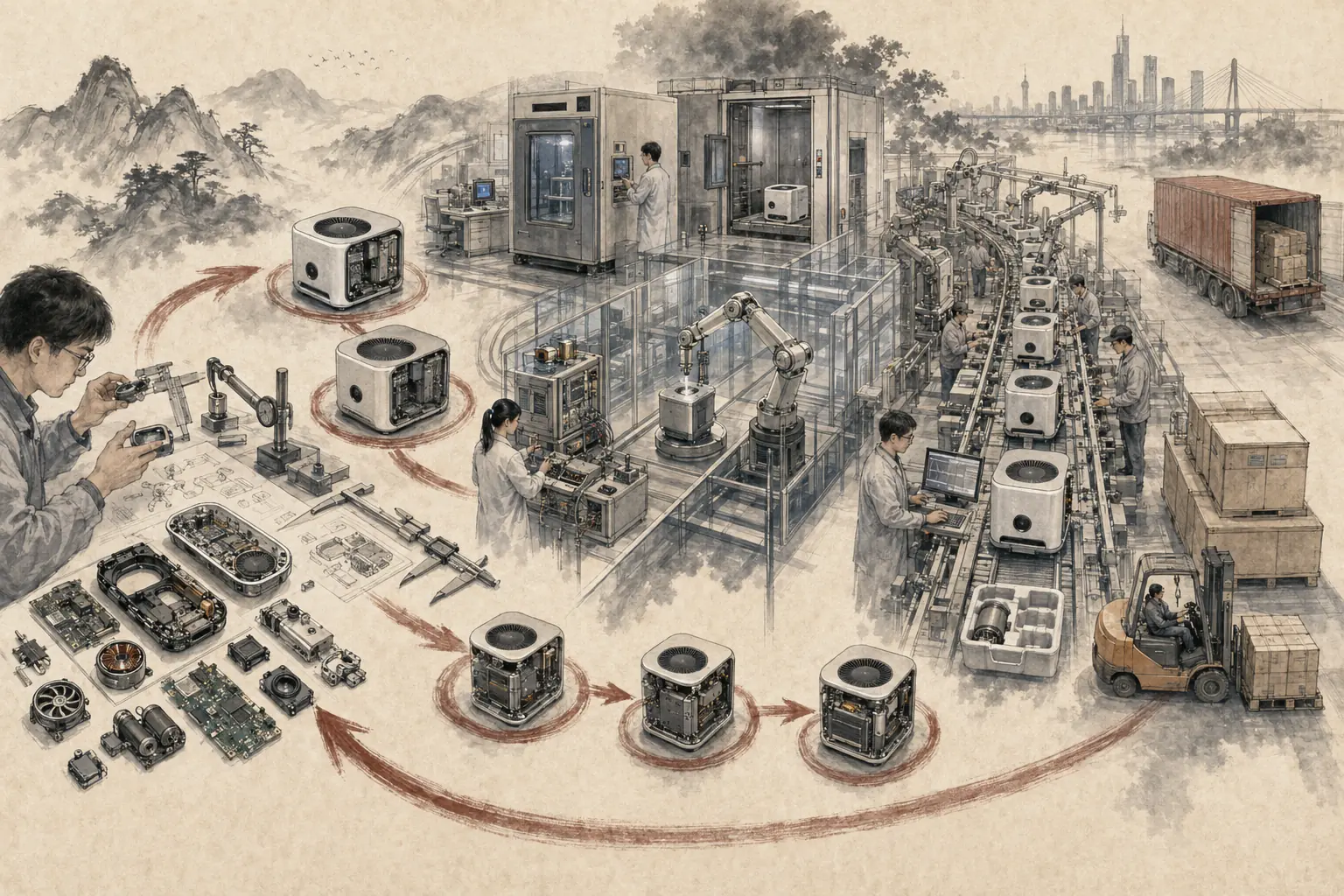
GB、GB/T、CCC与产品全生命周期合规
Moves beyond definitions to connect BOMs, model families, critical parts, factories and software changes with customs, platforms and recalls.
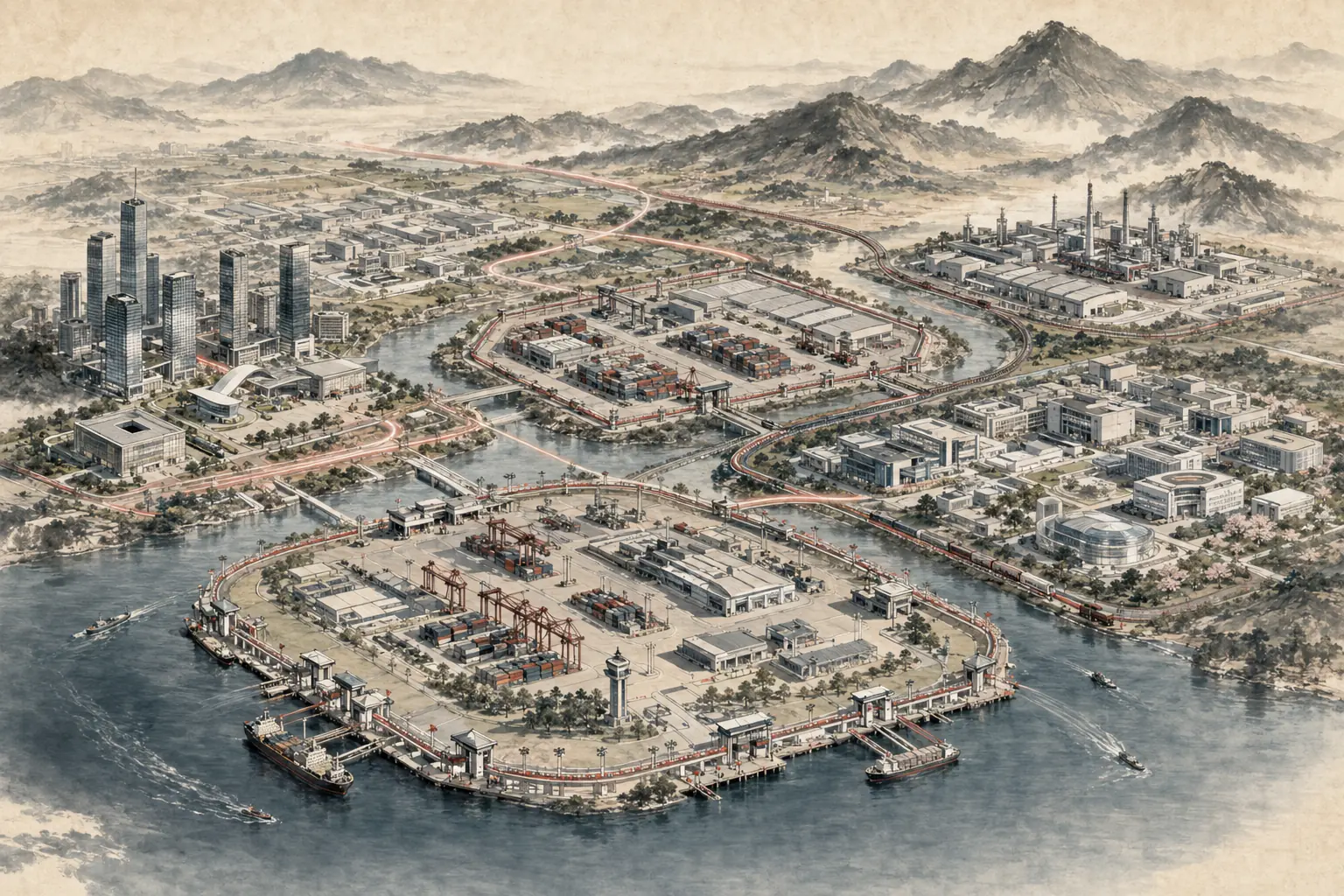
自由贸易试验区、自由贸易港、综合保税区、经开区与高新区
Compares FTZs, free-trade ports, comprehensive bonded zones, national ETDZs and high-tech zones by customs, experimentation, investment and industrial functions.
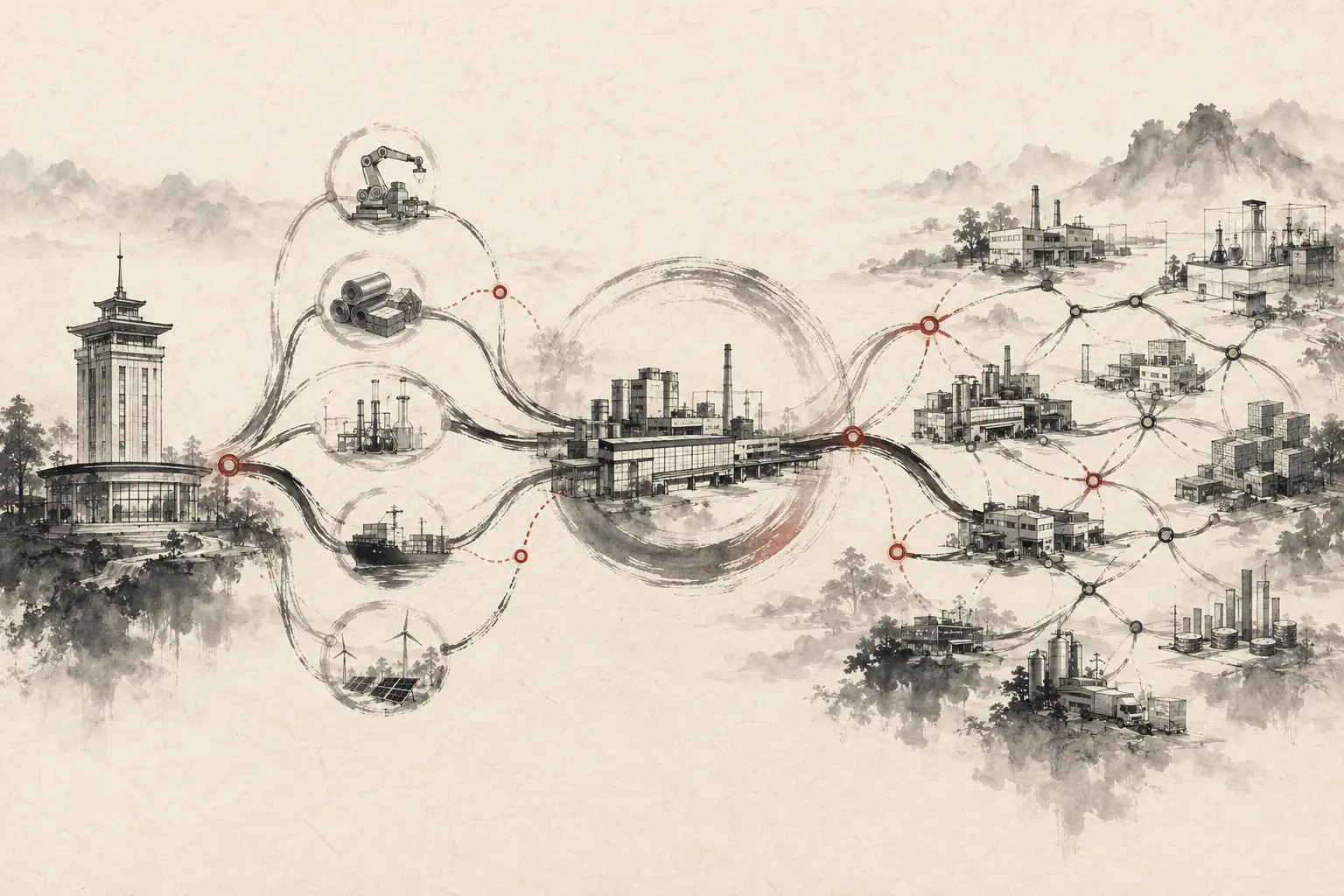
链长制、链主企业、链创平台与产业集群
Separates local-government chain-chief coordination from anchor firms that organise suppliers through orders, technology and standards, while explaining contextual exceptions.
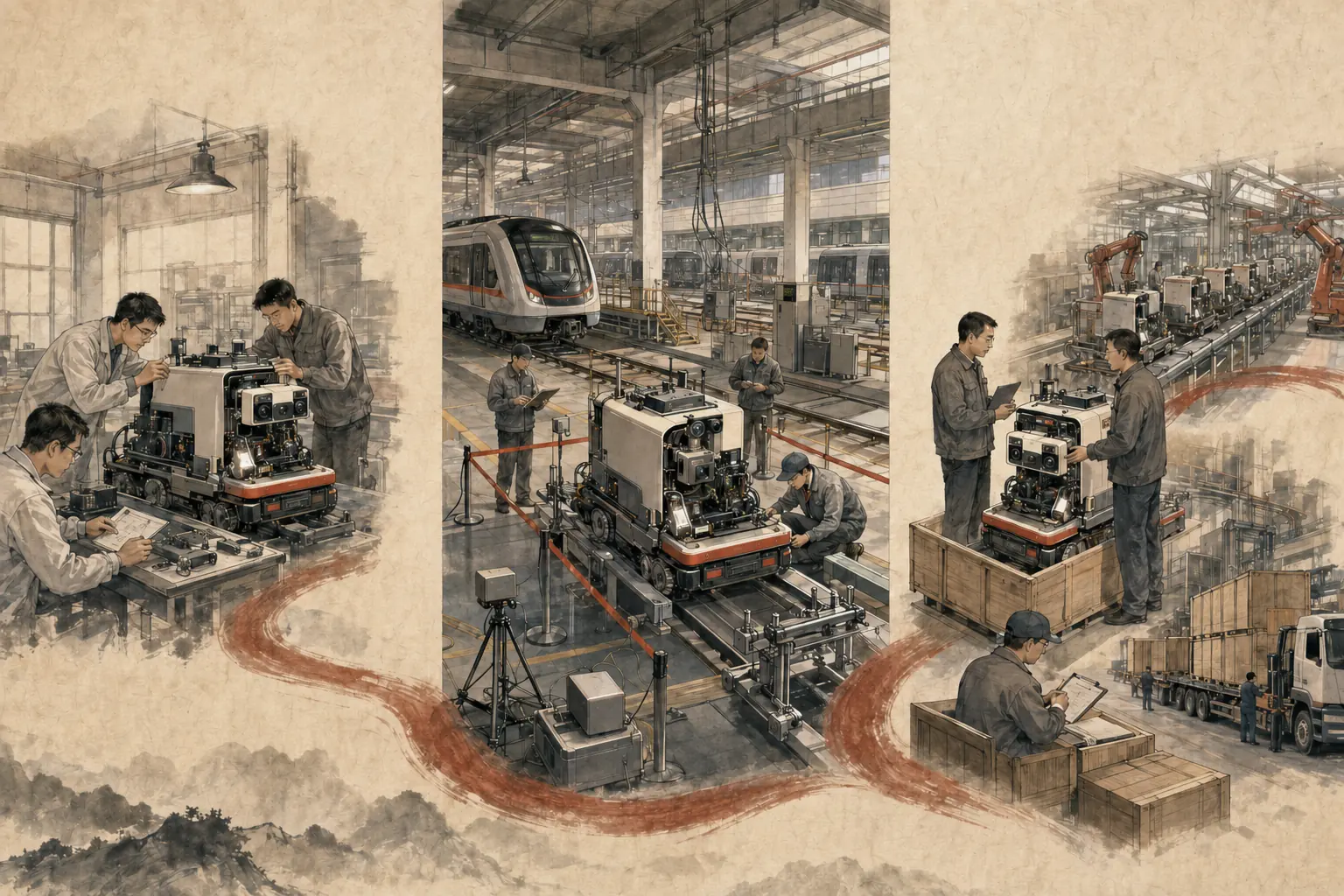
场景培育开放、首台套、首批次、首版次与首购订购
Connects scenario opening, first equipment/material/software, first procurement, insurance and purchasing to distinguish R&D support from market creation.

信创、国产替代、自主可控与软硬件生态
Distinguishes the IT application-innovation ecosystem, domestic substitution and autonomous control across hardware, software and migration.
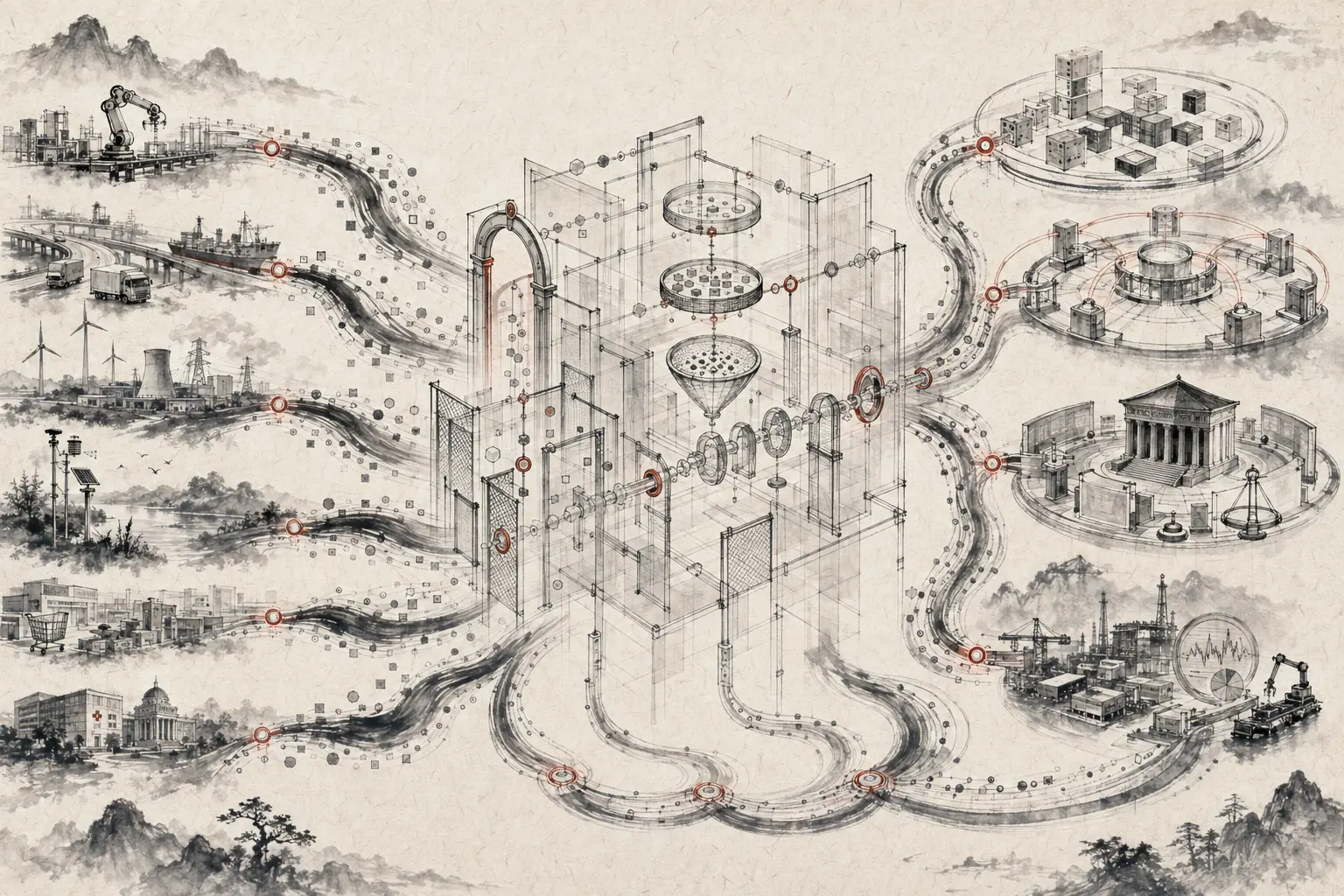
数据资源、数据要素、数据资产、数据产权与数据产品
Separates data resources, factors, assets, property interests, data IP and products across registration, trade, accounting, valuation, collateral and contribution.
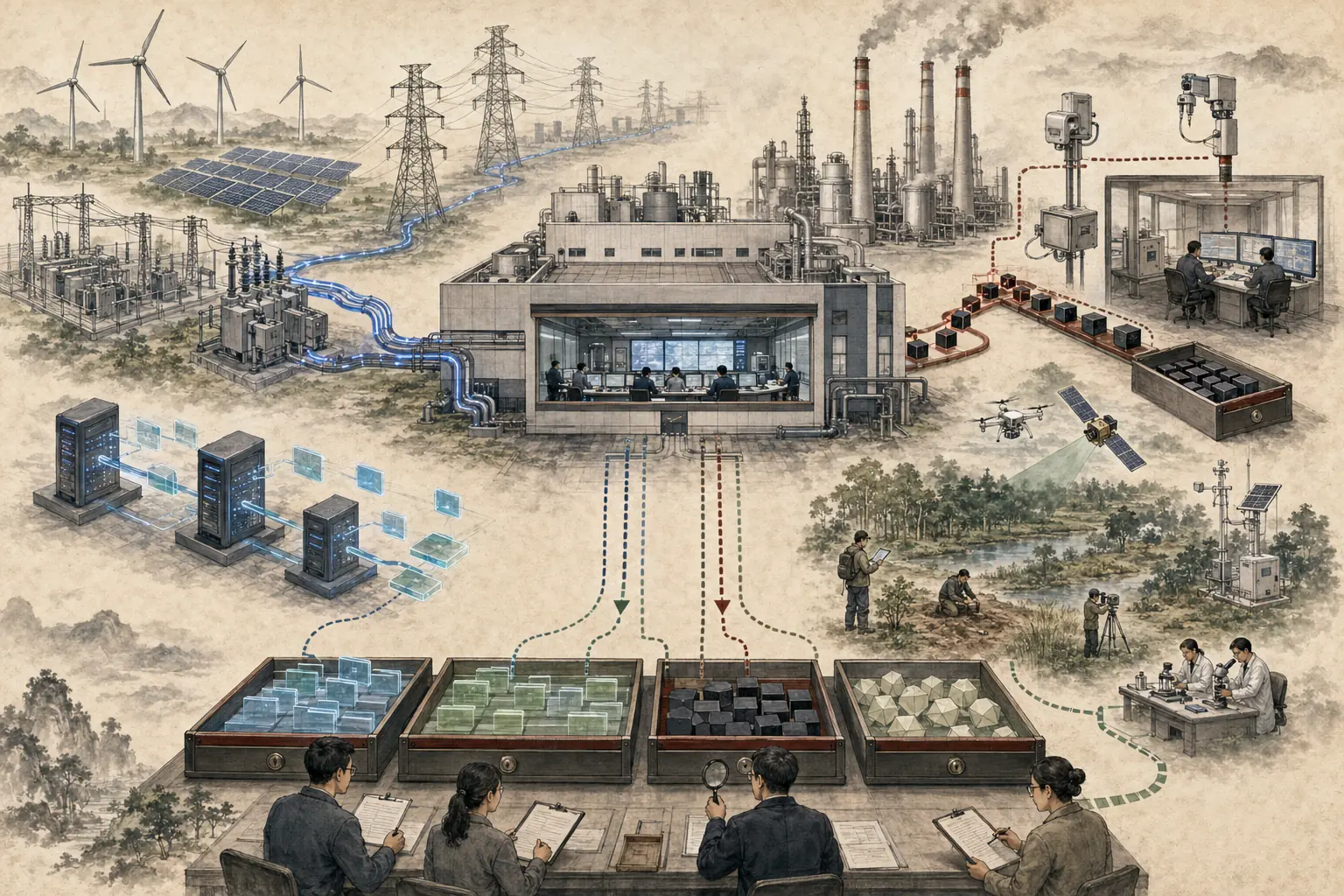
绿电、绿证、碳排放配额与国家核证自愿减排量
Separates green power, green certificates, mandatory allowances and CCERs across physical electricity, environmental attributes, compliance and voluntary offsetting.
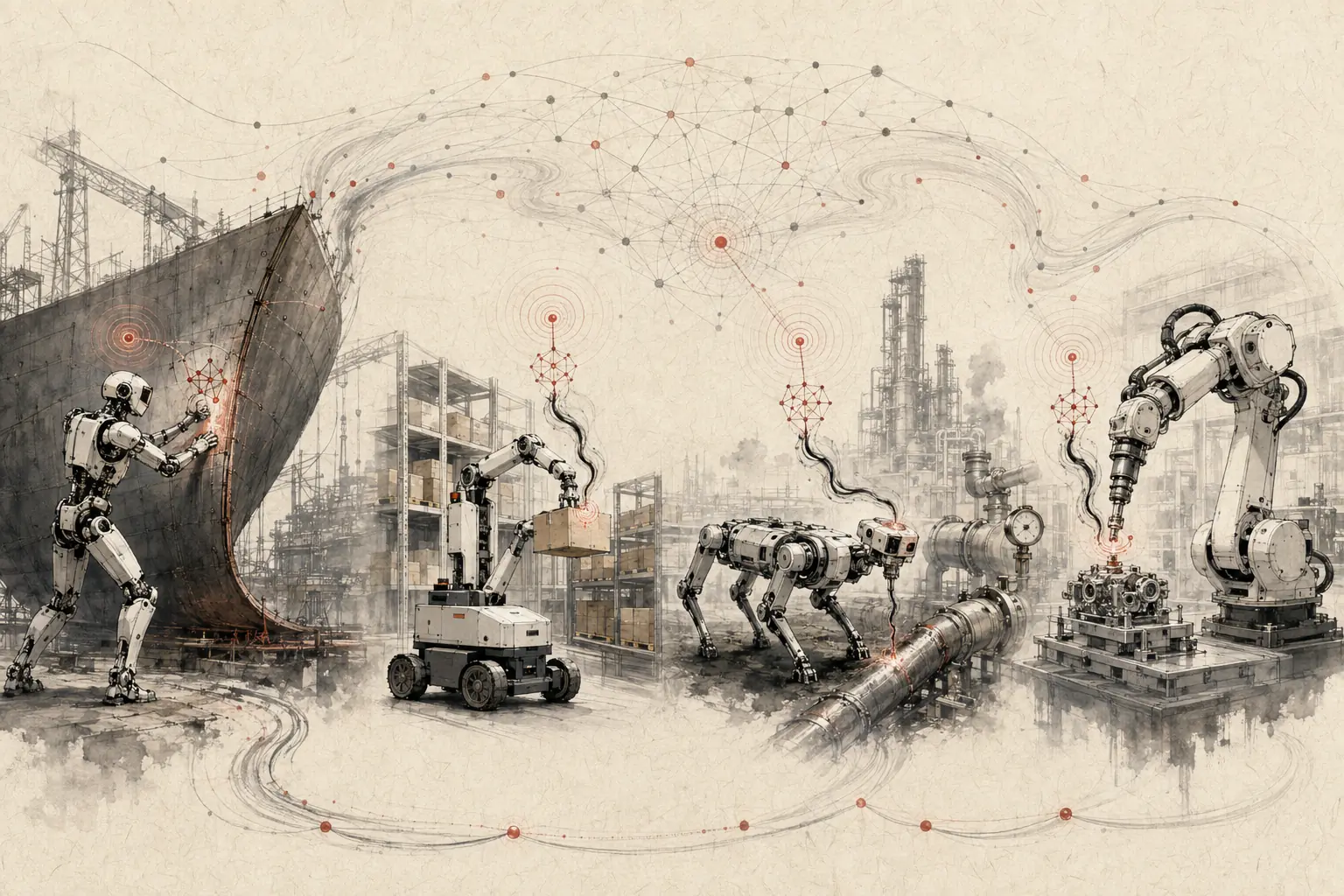
具身智能、人形机器人、智能体与物理人工智能
Separates humanoid form, embodied perception–decision–action, agentic goal execution and the broader Physical AI system category.
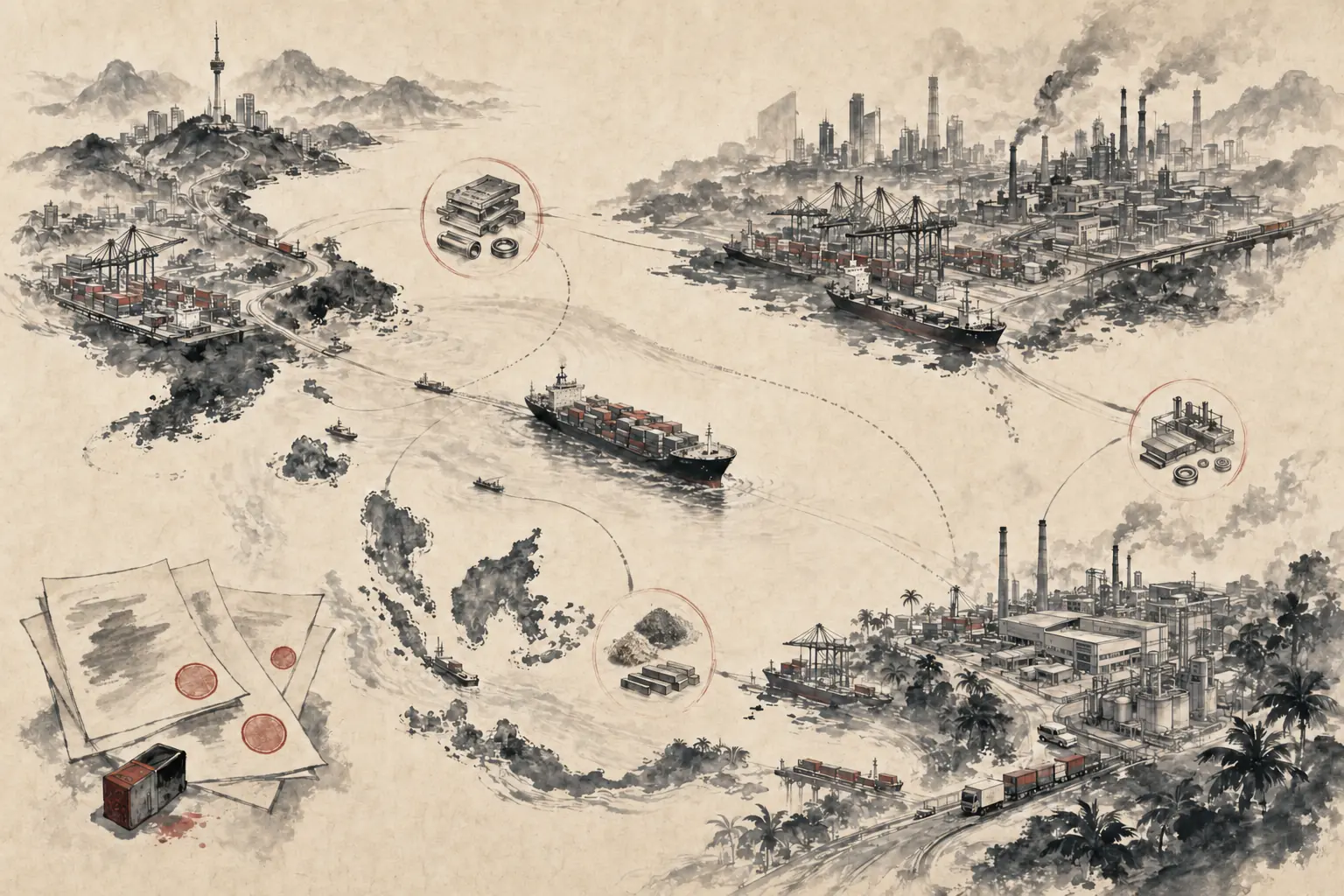
区域全面经济伙伴关系协定、原产地累积规则与产品特定原产地规则
Separates treaty membership from actual preference by linking tariff schedules, HS codes, cumulation, certification and verification to production steps.
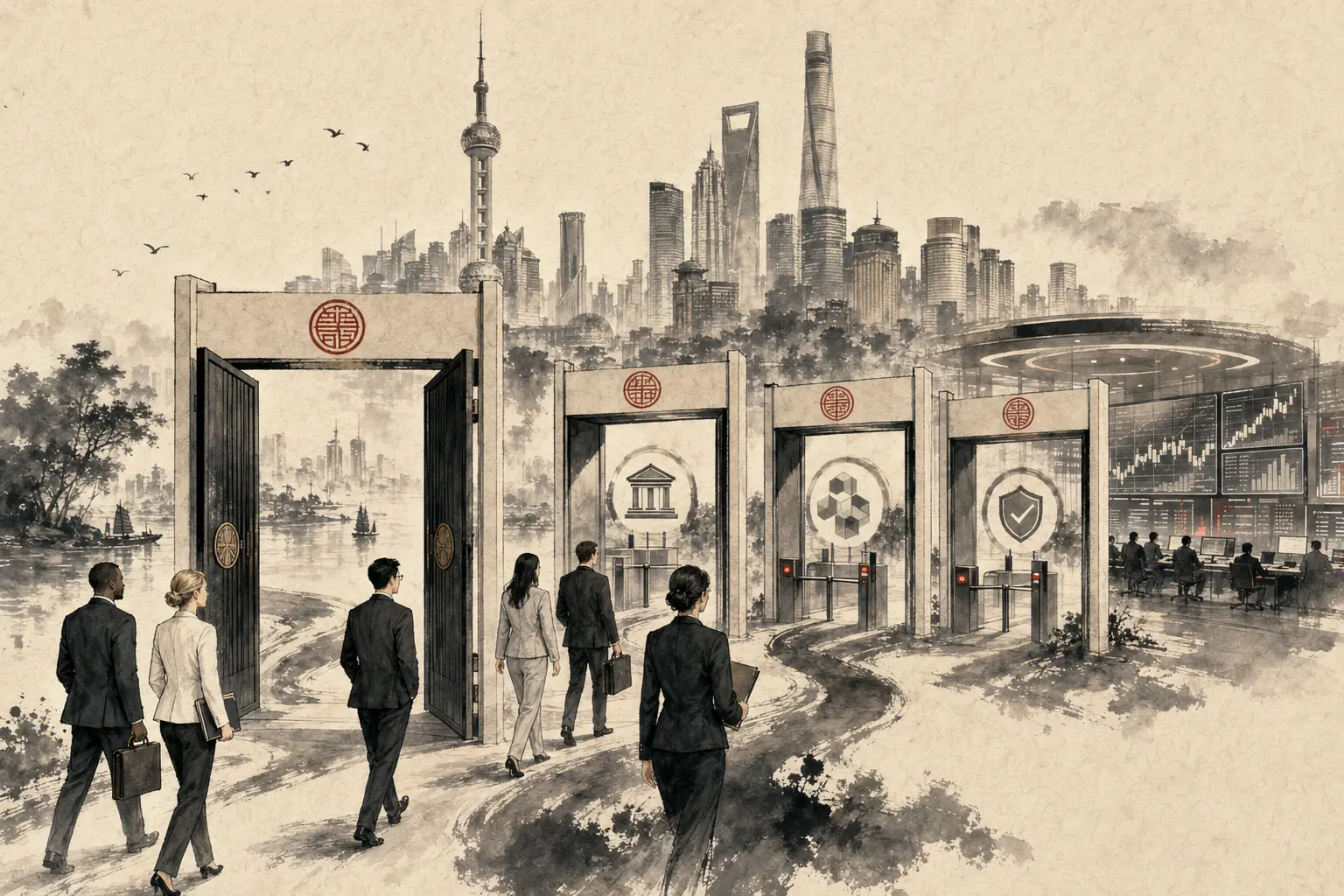
外资金融机构、证券基金期货牌照与业务许可
Separates ownership liberalization from institution, business and product licensing across securities, funds, futures, banks and insurance.
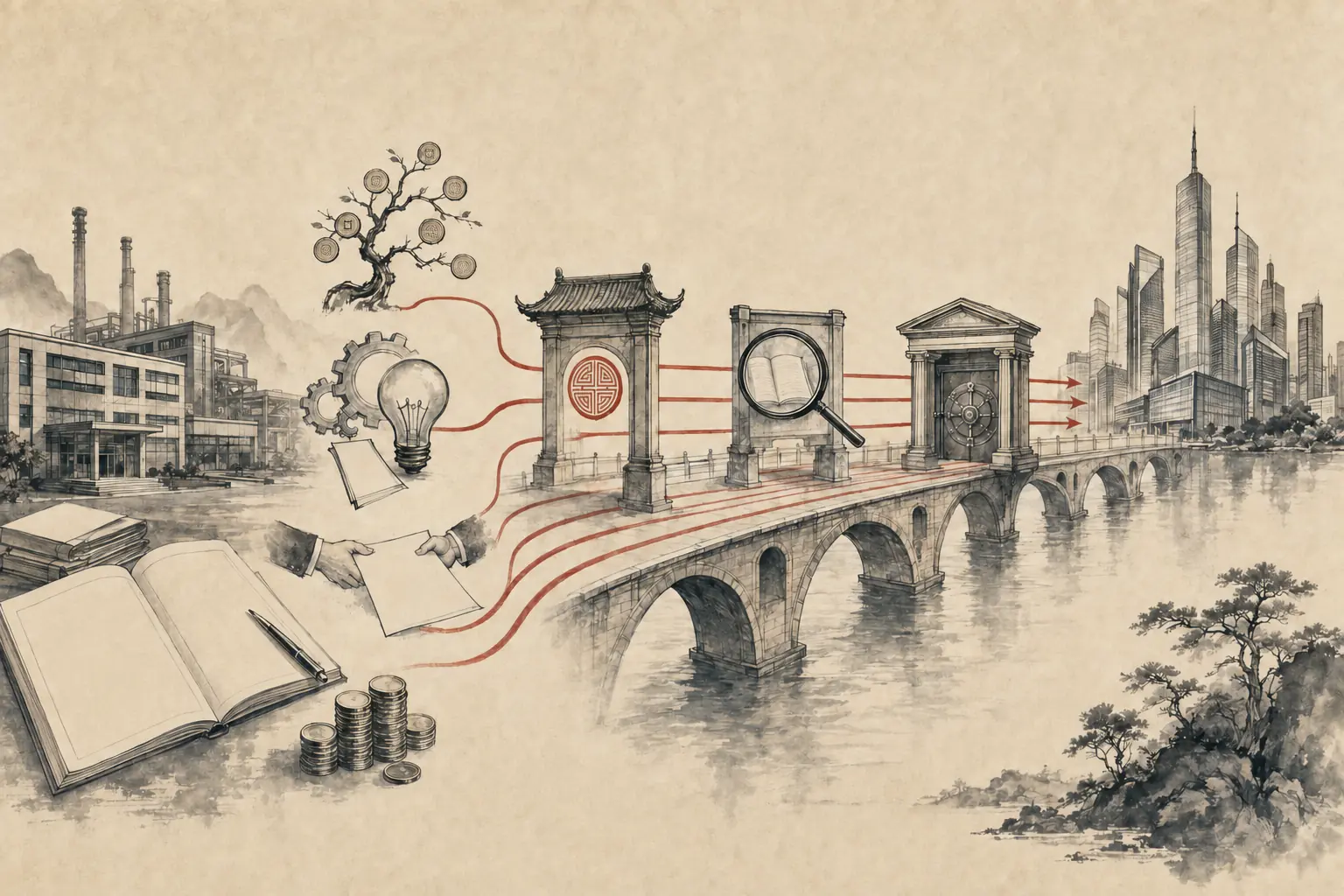
外商投资企业利润汇出、股息、特许权使用费与服务费
Separates accounting, taxable, distributable and remittable cash and maps the evidence for dividends, royalties, services, interest, capital reduction and liquidation.

中外合作办学、法人机构、非独立法人机构与项目
Distinguishes legal-person universities, non-independent institutes and programmes from branch campuses across approval, degrees, admissions, faculty, finance and research rights.
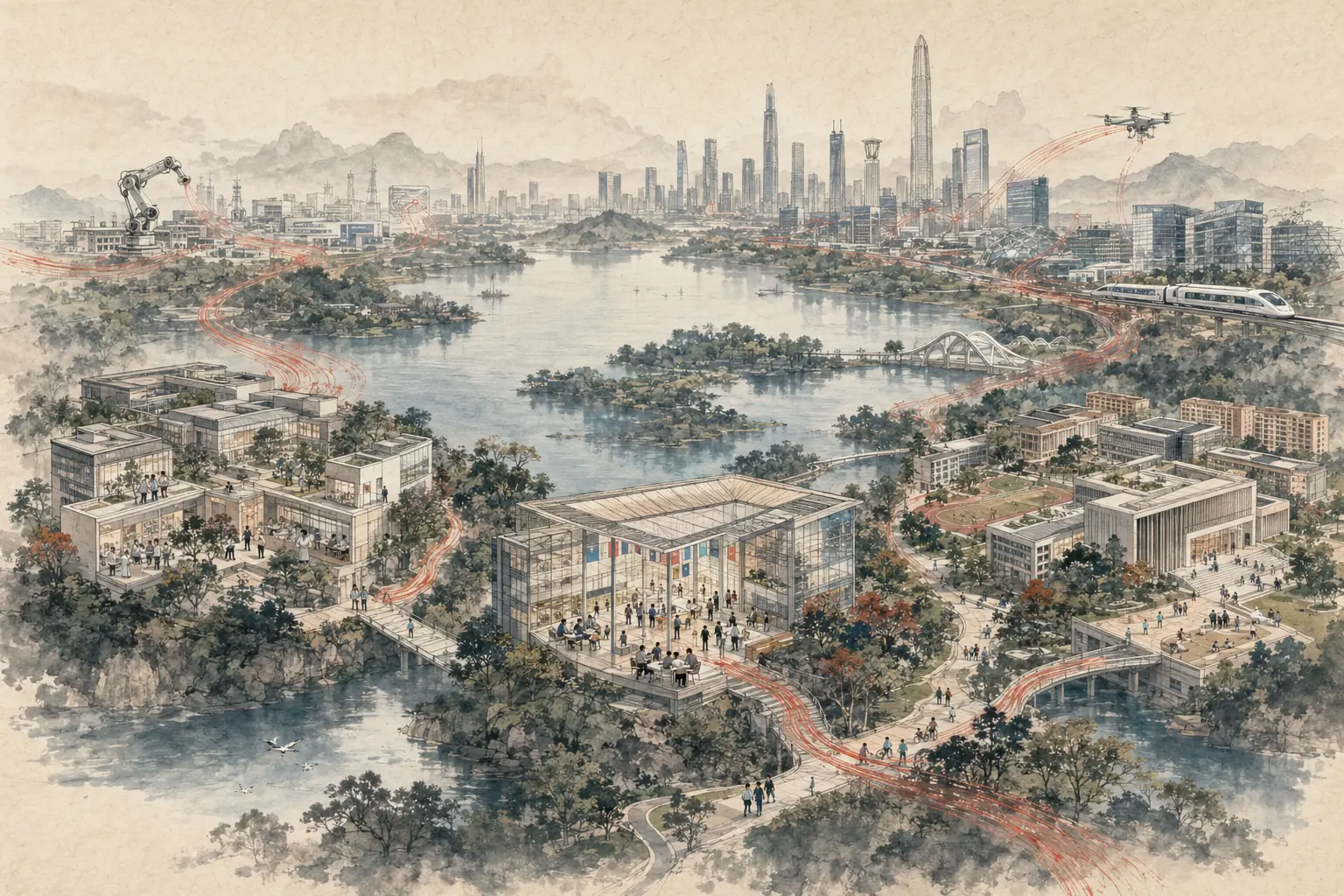
校区、研究生院、研究院与大学城
Separates campuses, graduate schools, institutes and university towns and maps the exchange between local resources and university talent, research and industry links.
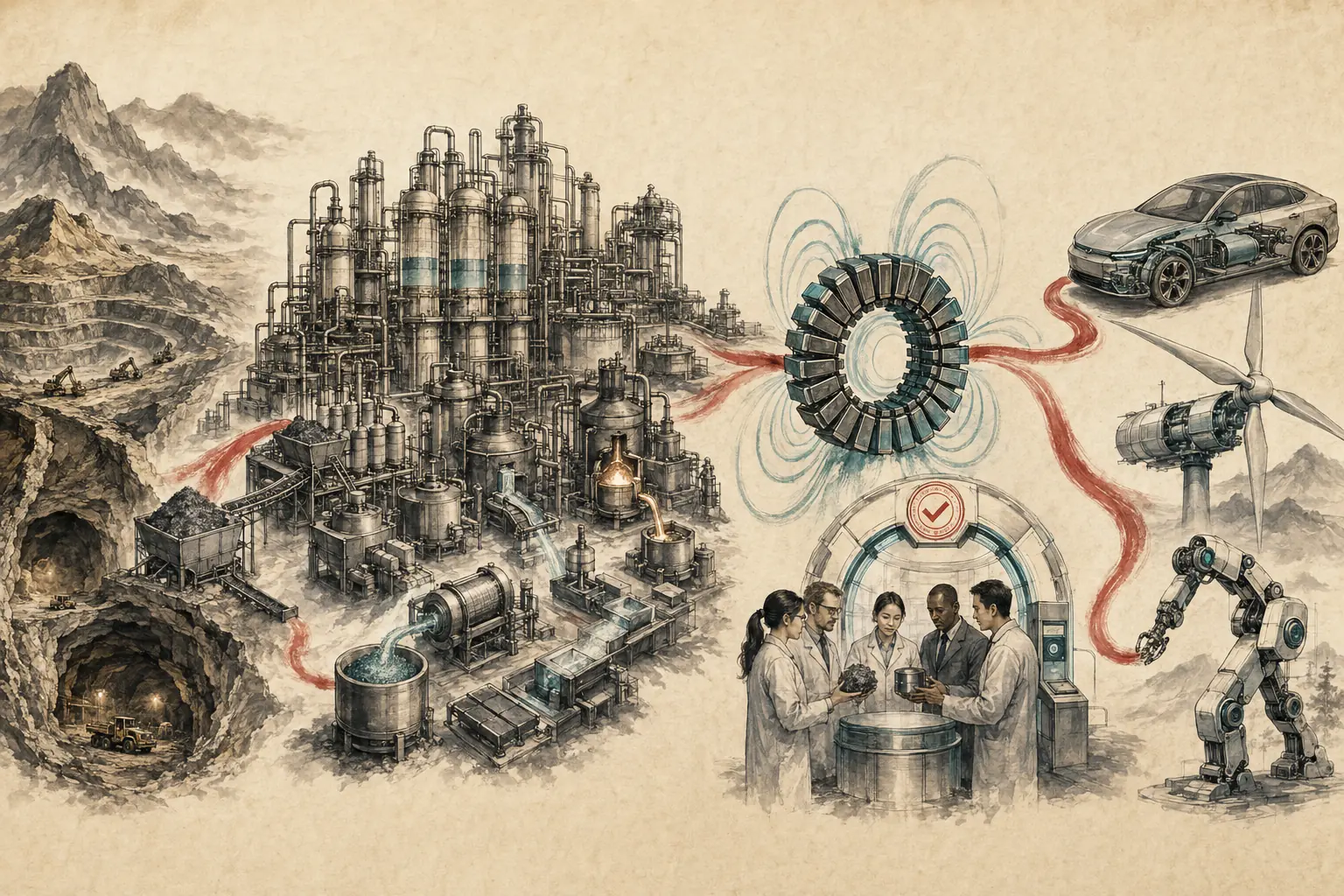
稀土开采、冶炼分离、金属合金、永磁材料与出口管制
Separates elements and light/heavy rare earths while linking mining, separation, metals, magnets, motors, recycling, export controls and foreign cooperation.

全国统一大市场、公平竞争审查与地方保护
Separates national common rules from regional variation and tests local protection versus permissible functional support in access, procurement, standards, inspection and competition review.
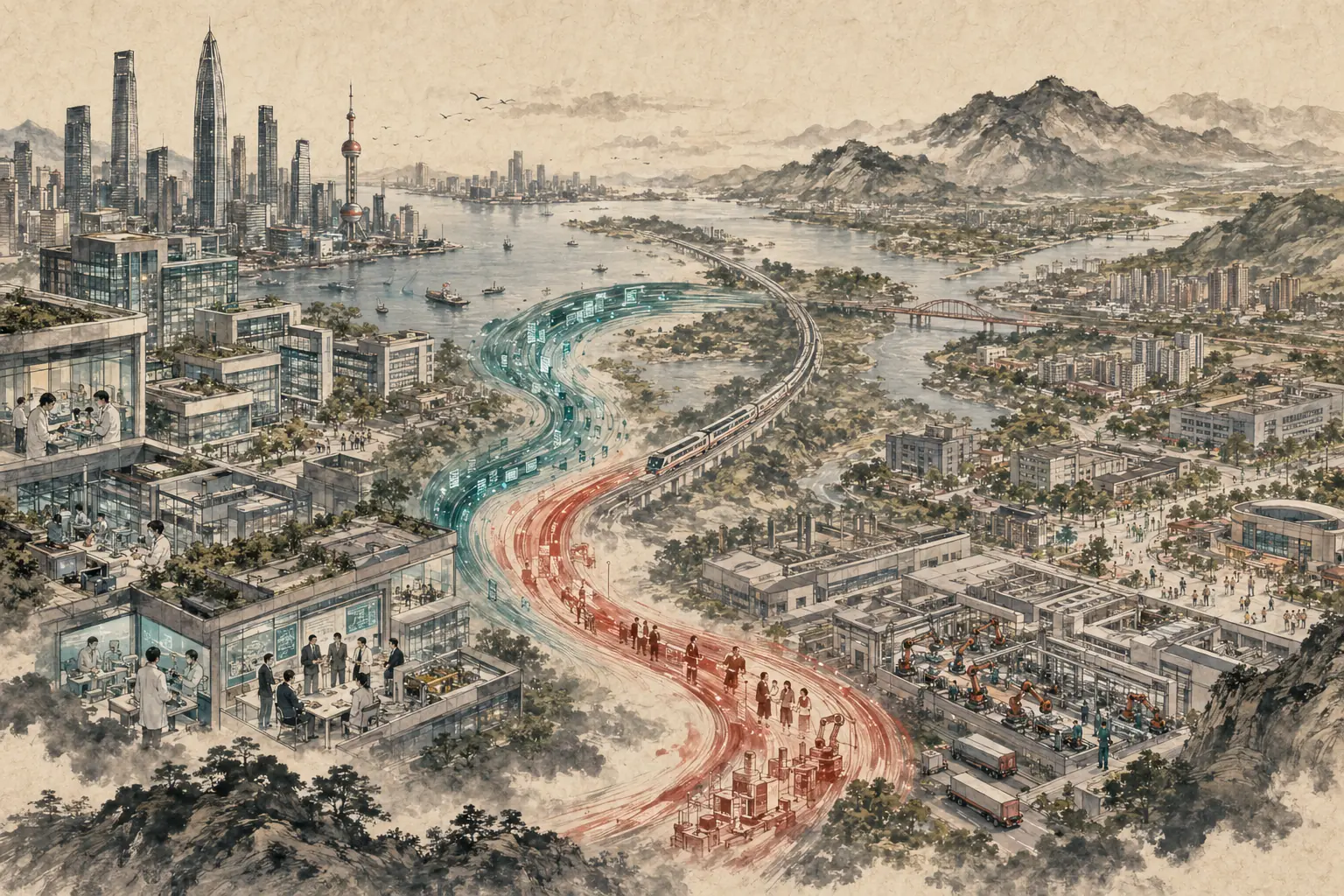
飞地经济、反向科创飞地与异地研发
Analyzes the legal, fiscal and outcome-allocation model of coastal R&D hubs designed to produce jobs, production and tax value in inland home regions.
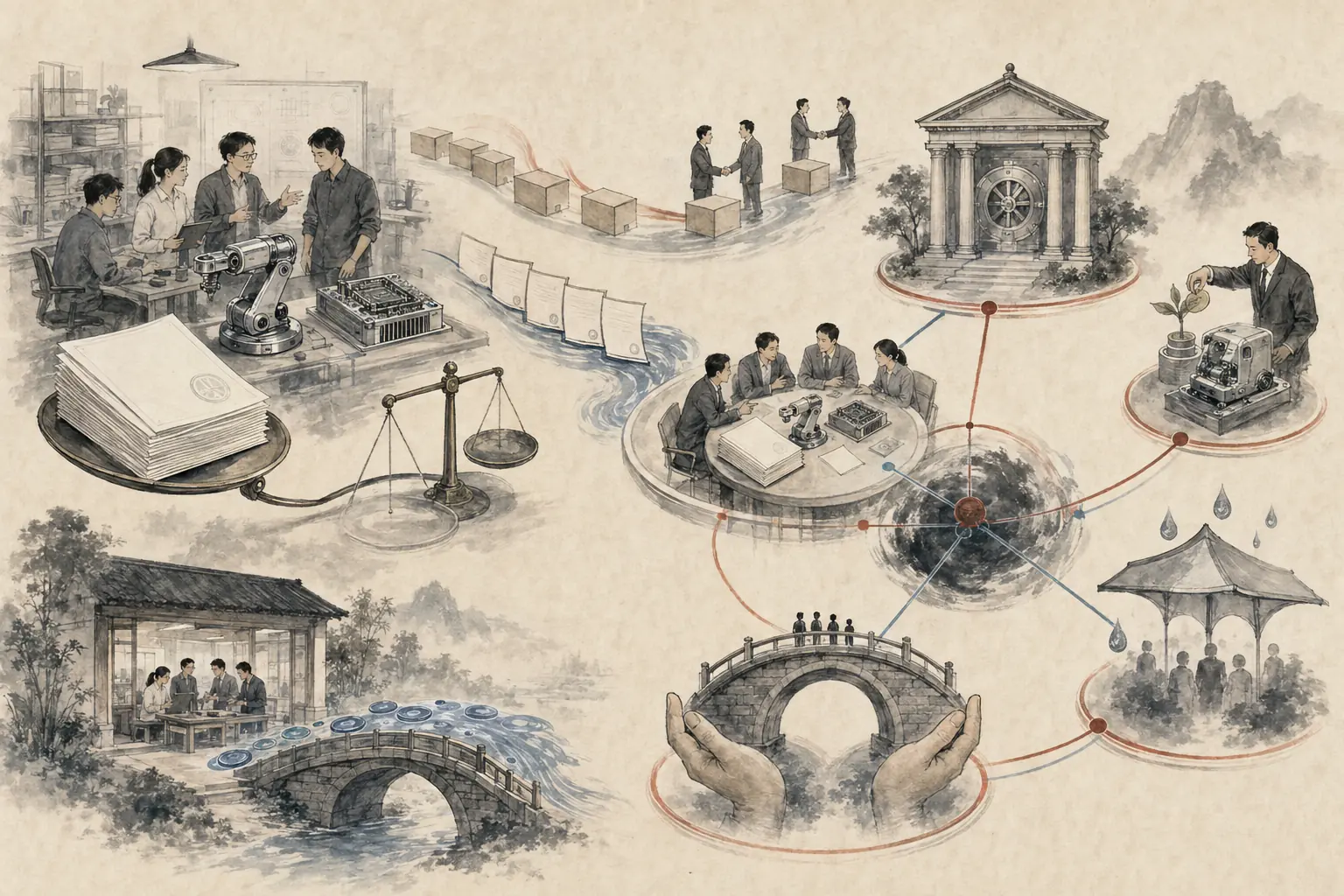
科技金融、知识产权质押融资、风险补偿与投贷联动
Explains how IP pledges, technical assessment, customer contracts and cash flow connect to public risk compensation, guarantees, insurance and investment-loan coordination.
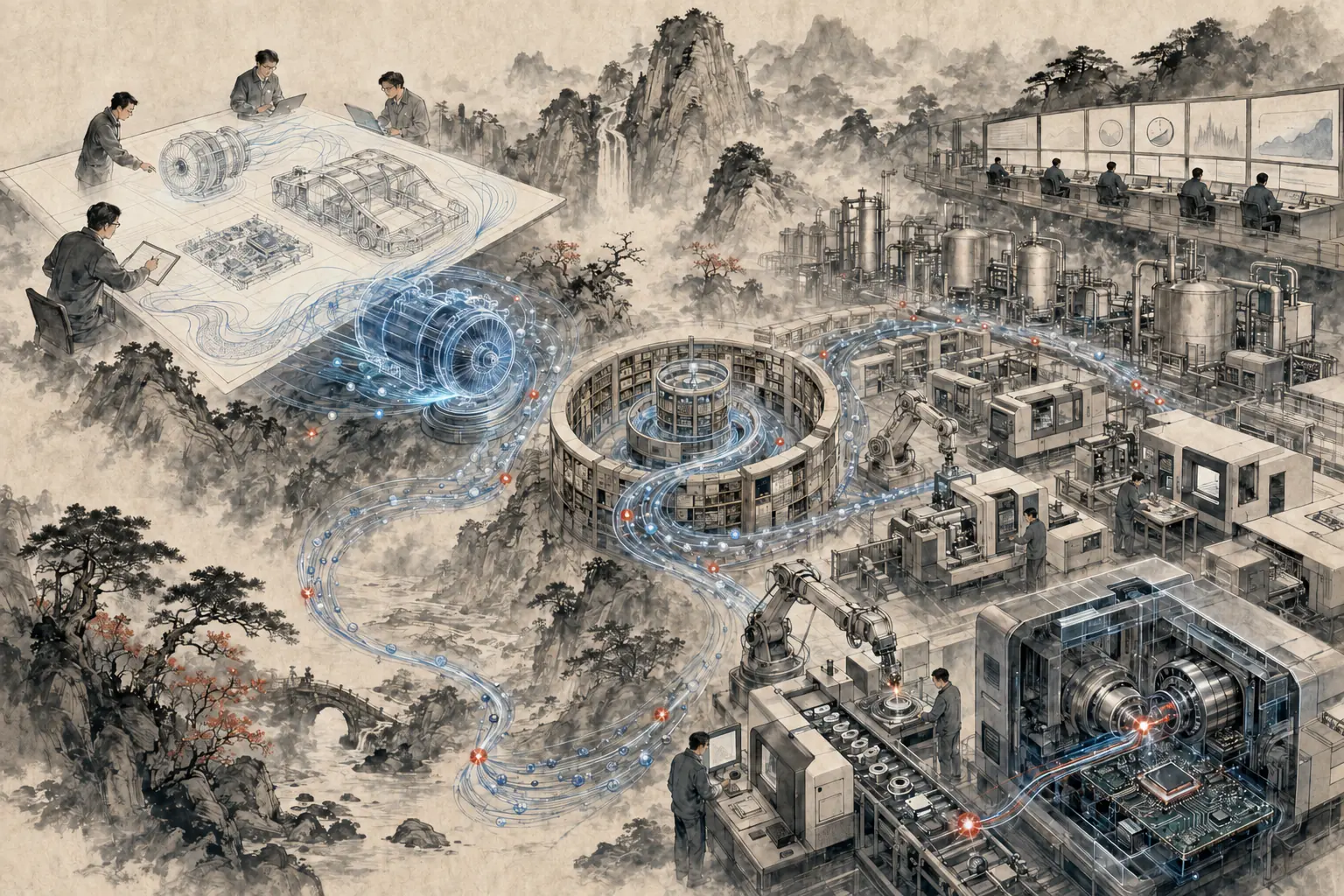
工业软件、研发设计、生产控制与嵌入式软件
Connects CAD, CAE, EDA, PLM, MES, DCS, SCADA and embedded software through digital continuity and accountable change from design to operations.

新质生产力、全要素生产率与生产关系
Reframes new quality productive forces as productivity gains from recombining technology, data, talent, capital and organization—not an industry label.

战略性新兴产业、新兴支柱产业与未来产业
Separates three industry labels by maturity, economic role and policy instrument so research directions are not mistaken for mature markets.
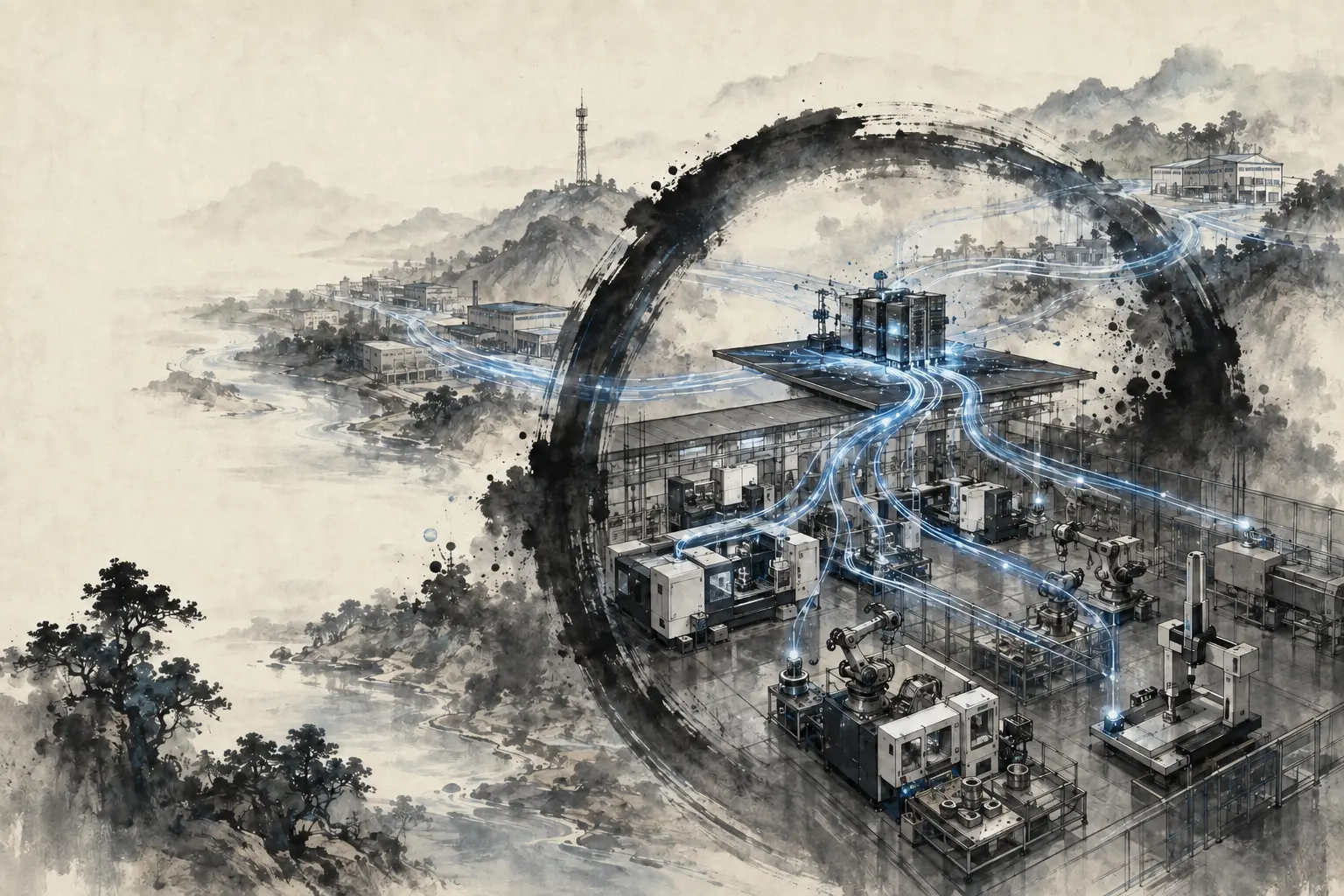
工业互联网、工业物联网、智能工厂与数字孪生
Combines connectivity, identification, platforms, industrial applications and security into a data system that changes production decisions.

低空经济、无人机与电动垂直起降航空器
Links aircraft manufacturing to airworthiness, airspace, routes, vertiports, communications, weather, operations and insurance.

车路云一体化、单车智能与智能网联汽车
Combines vehicle intelligence with roadside sensing, edge computing, city cloud control, maps, communications and public accountability.

合成生物学、生物制造与中试放大
Separates biological-system design from repeatable manufacturing, focusing on pilot scale-up, fermentation, purification, quality and customer qualification.
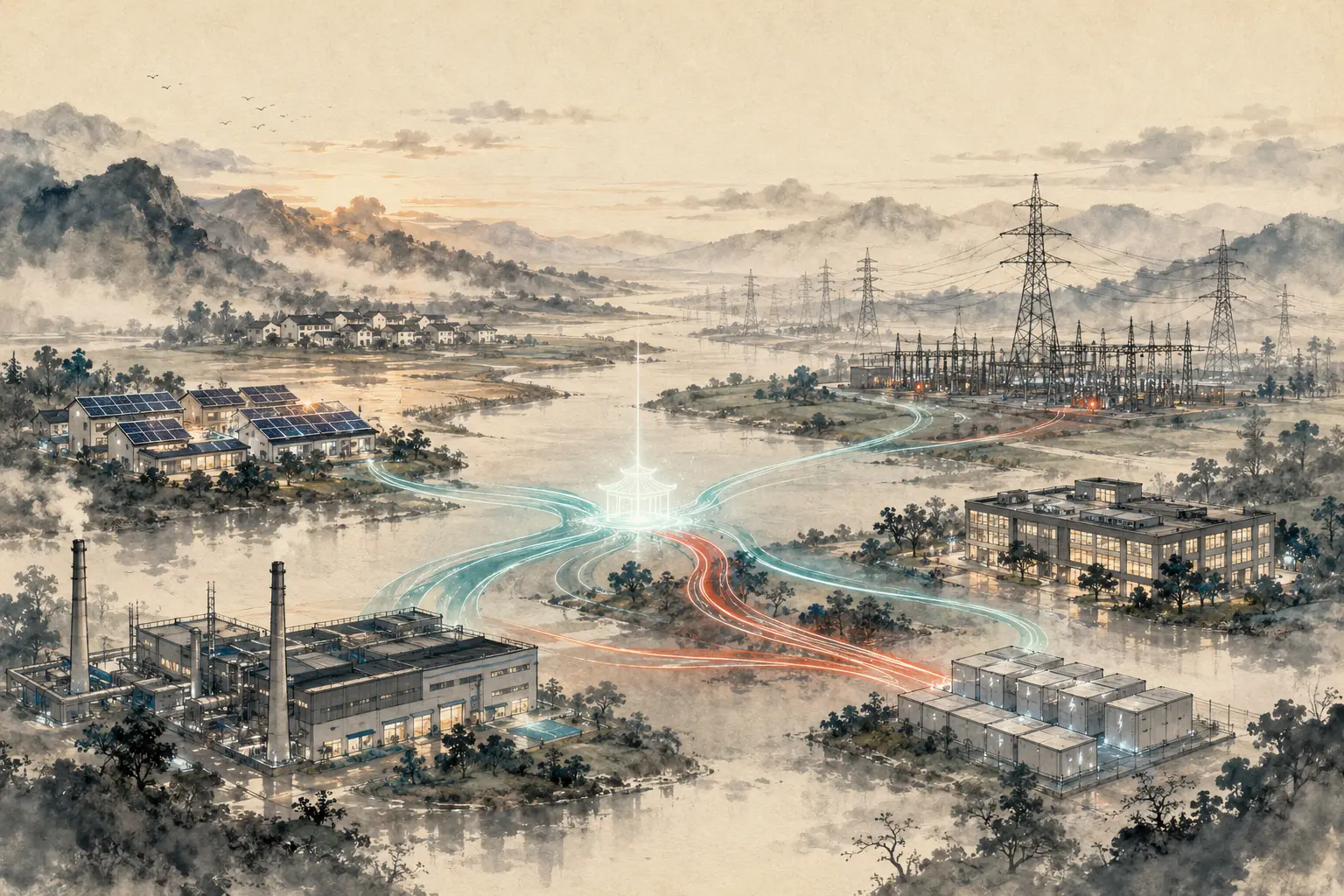
虚拟电厂、新型储能与需求响应
Aggregates distributed generation, storage and flexible loads into measurable, controllable and settleable resources for grid operations and power markets.

商业航天、国家航天与卫星应用
Separates commercial organization from ownership and connects rockets, satellites, launch sites, ground systems and data applications.
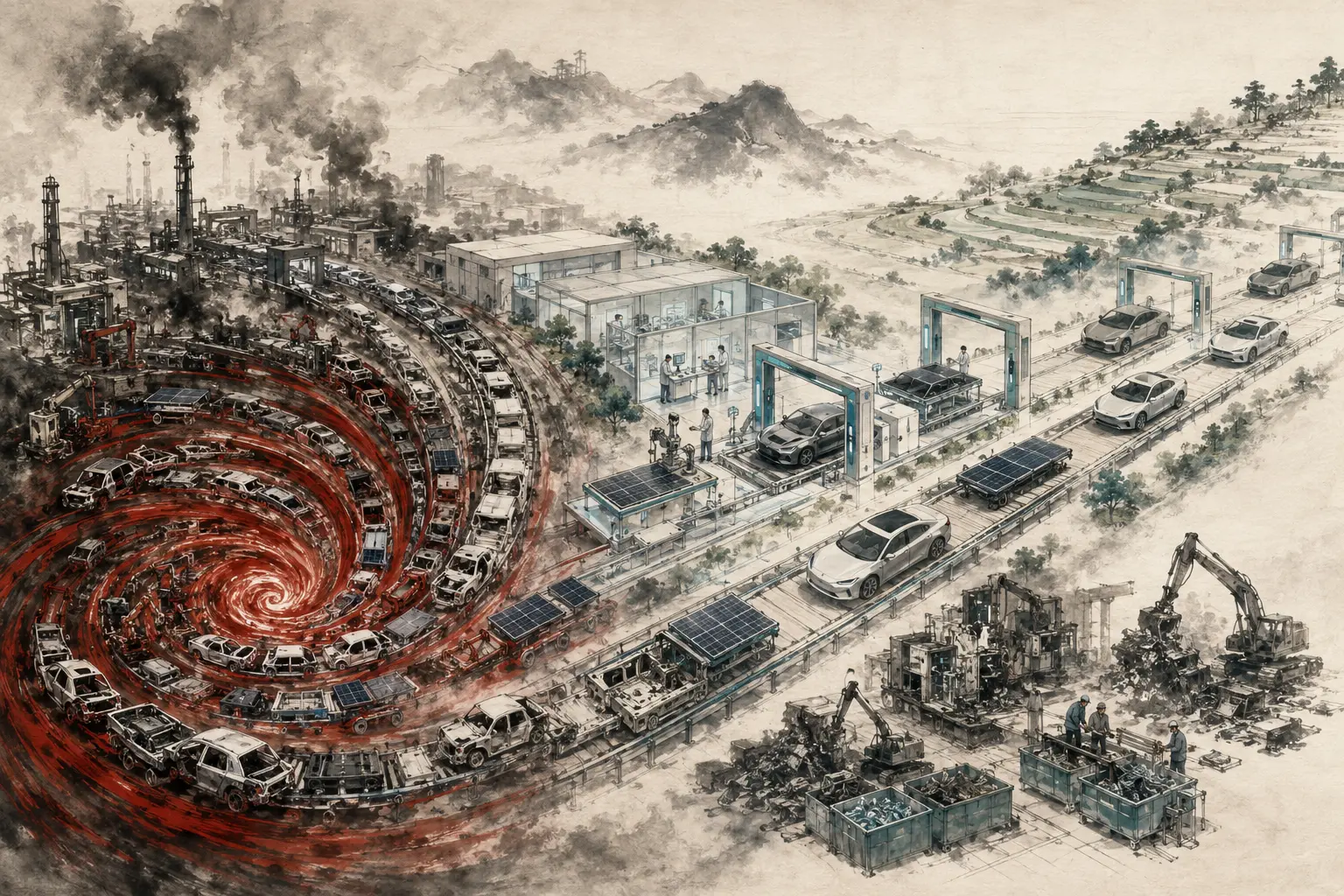
综合整治“内卷式”竞争与公平竞争
Separates productivity-led price cuts from destructive low-quality, deceptive, debt-shifting and overcapacity competition—while guarding against collusion.

出海、走出去、本地化与全球化经营
Extends cross-border sales into redesigning local entities, products, channels, service, talent, data, supply chains and social responsibility.