

CHINA SYSTEM · OPERATING LOGIC
Read the concept through its operating structure
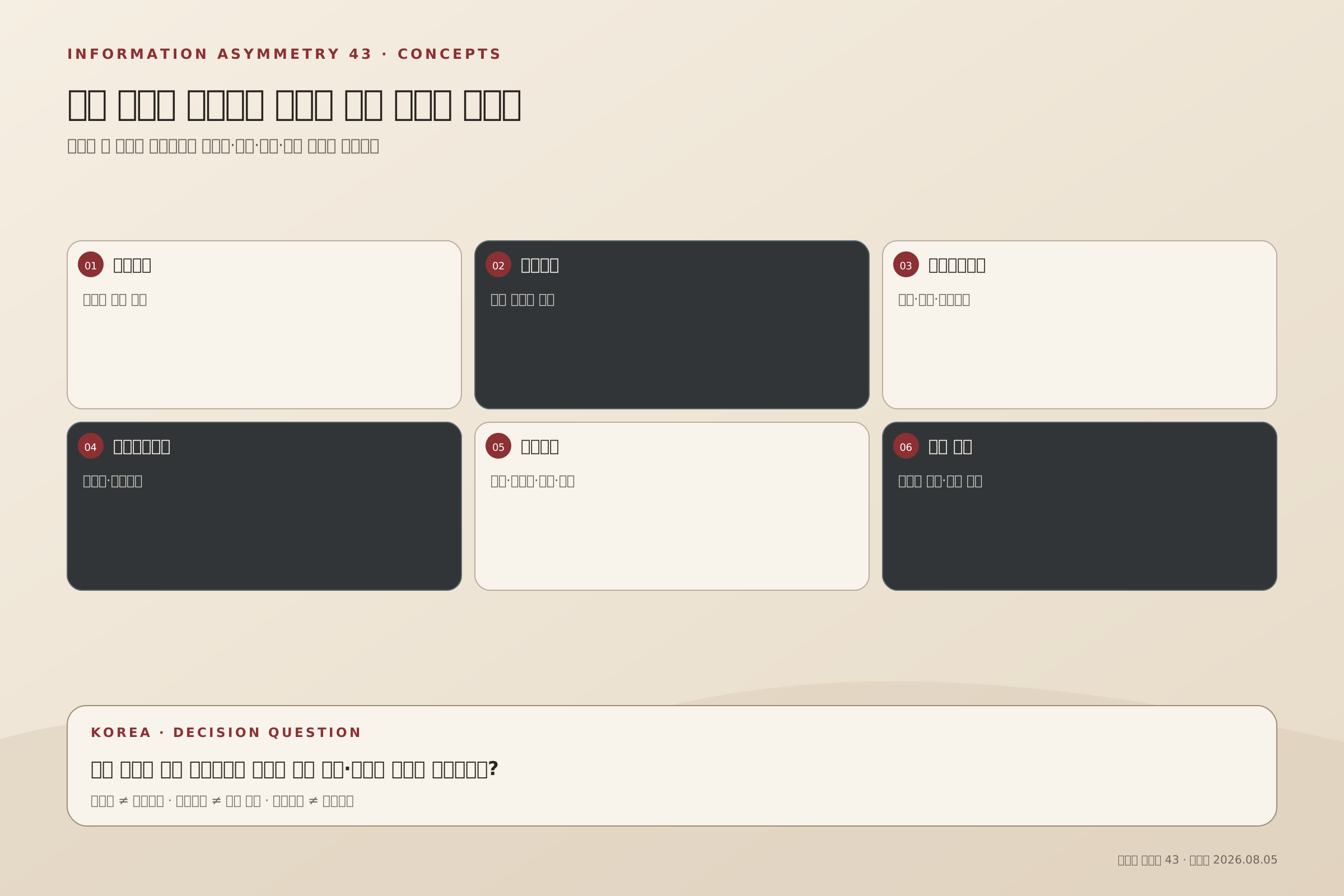
Define the industrial essence and concept boundary
This section separates commonly confused labels, legal objects and business units so a policy label or single metric is not mistaken for a market outcome.
Map China’s system as an executable chain
This section links central rules, local execution, institutional permissions, company processes and transaction evidence to show how the system reaches operations.
Separate announcement, inputs, operations and outcomes
Targets, approved lists, funding, operation, customer adoption and cash flow are different stages and must be verified with consistent definitions.
Locate the real execution bottleneck
This section tests licences, capability, data, talent, customers, cost, accountability and exit conditions to locate the slowest, least substitutable constraint.
Judge outcomes by evidence, not scale narratives
Primary rules should be cross-checked with company records, contracts, finance, operating logs, user outcomes and independent research, with definitions, period and limits disclosed.
Translate the conclusion into a Korean decision
The conclusion allocates work across government, industry, universities, research, finance, users and intermediaries, ending with owners, evidence, timing and KPIs.