
COLUMNS & PERSPECTIVES

A Record of Observation,
Reading Signals of the Future from China’s Front Line

CEO Jimin Parkobserves China’s technology, industry, cities and capital markets on the ground,recording the changes and directions for cooperation that Korea needs to read.COLLABORATION WITH Electronic Times · IT Chosun · EToday

EXHIBITION 0135 WORKS
BEYOND CHINA

Electronic Times · Tech China

Jimin Park’s Beyond China

Enter Exhibition
EXHIBITION 0234 WORKS
CHINA & THE FUTURE

IT Chosun · Column

Jimin Park’s China & the Future

Enter Exhibition
EXHIBITION 0301 WORKS
HOW CHINA CHANGES PRICES

EToday · Nonhyeon Square

Jimin Park’s How China Changes Prices

Enter Exhibition

EDITORIAL INTENT · THREE LENSES, ONE PURPOSE

Three Columns, One Purpose

The questions and analytical scale differ, but all three series pursue the same goal.

THE DISTANCE OF INFORMATION

Seoul to Beijing is a flight of roughly two hours.Yet the information distance can feel as wide as the other side of the world.

Background & Purpose

Reducing information asymmetry to build informed understanding

These three columns avoid reflexive optimism or alarm and seek to understand China accurately through facts and structures verified on the ground. Their purpose is to reduce the time lag and asymmetry in China-related information available to Korean society and industry, while presenting the substance of change, opportunities for cooperation and risks that demand caution in balanced perspective.

SHARED FOUNDATION

Field observation, source verification, systems analysis and Korea’s choices

None of the three series stops at individual success stories or isolated numbers. They examine how policy, cities, universities and research institutes, companies, capital and supply chains connect to turn technology into industry—and how prices and profits transmit what those structures ask of Korea.

EXHIBITION 01 · ELECTRONIC TIMES

Beyond China — A Microscope on Internal Systems

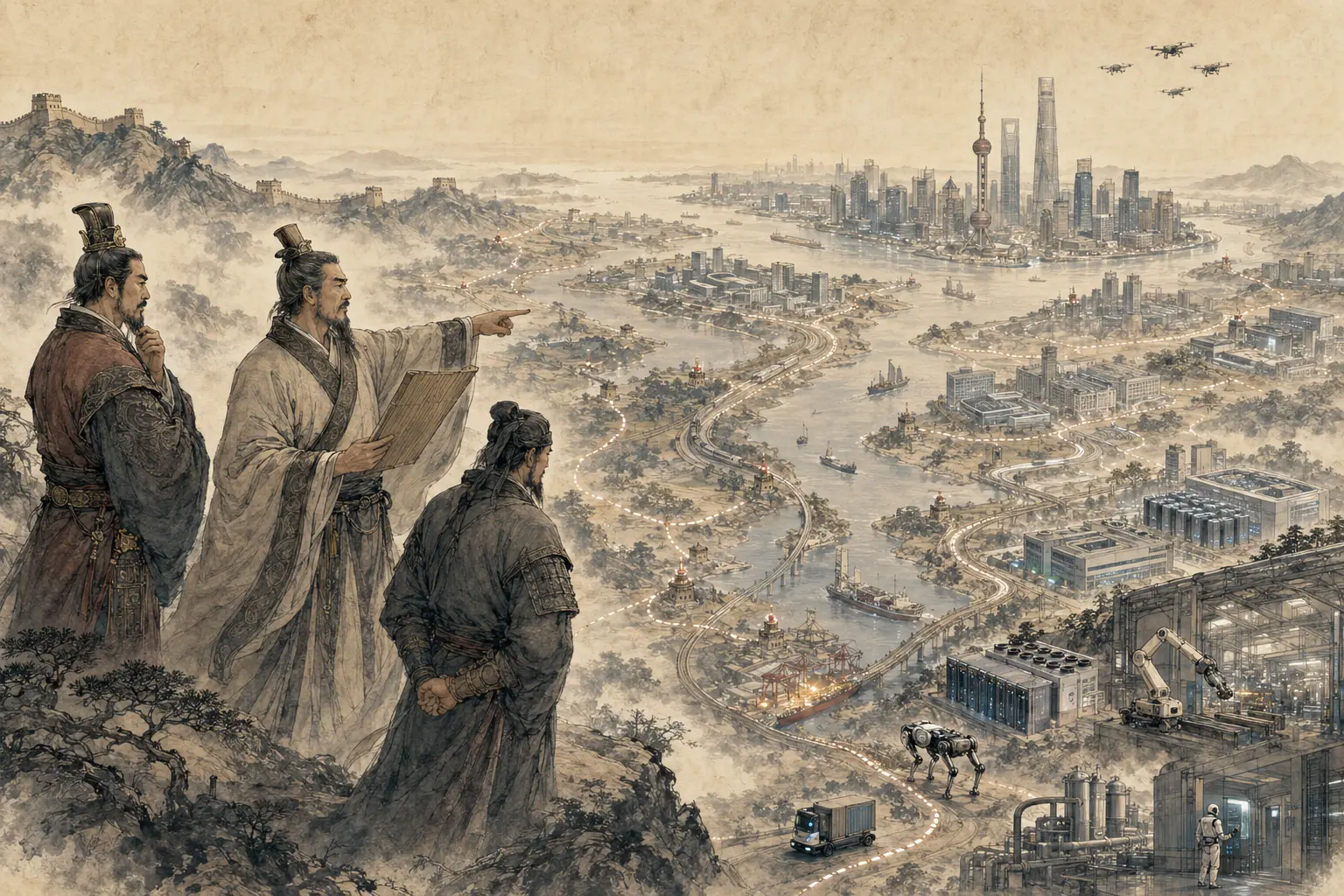
This series goes beneath China’s industrial outcomes to examine policy and institutions, cities and clusters, corporate growth ladders, venture and state capital, university commercialization and exit markets. Multi-part investigations reveal how China’s industrial system actually operates and circulates.

CORE QUESTION · How does China’s industrial system work from within?

EXHIBITION 02 · IT CHOSUN

China & the Future — A Telescope on Emerging Change

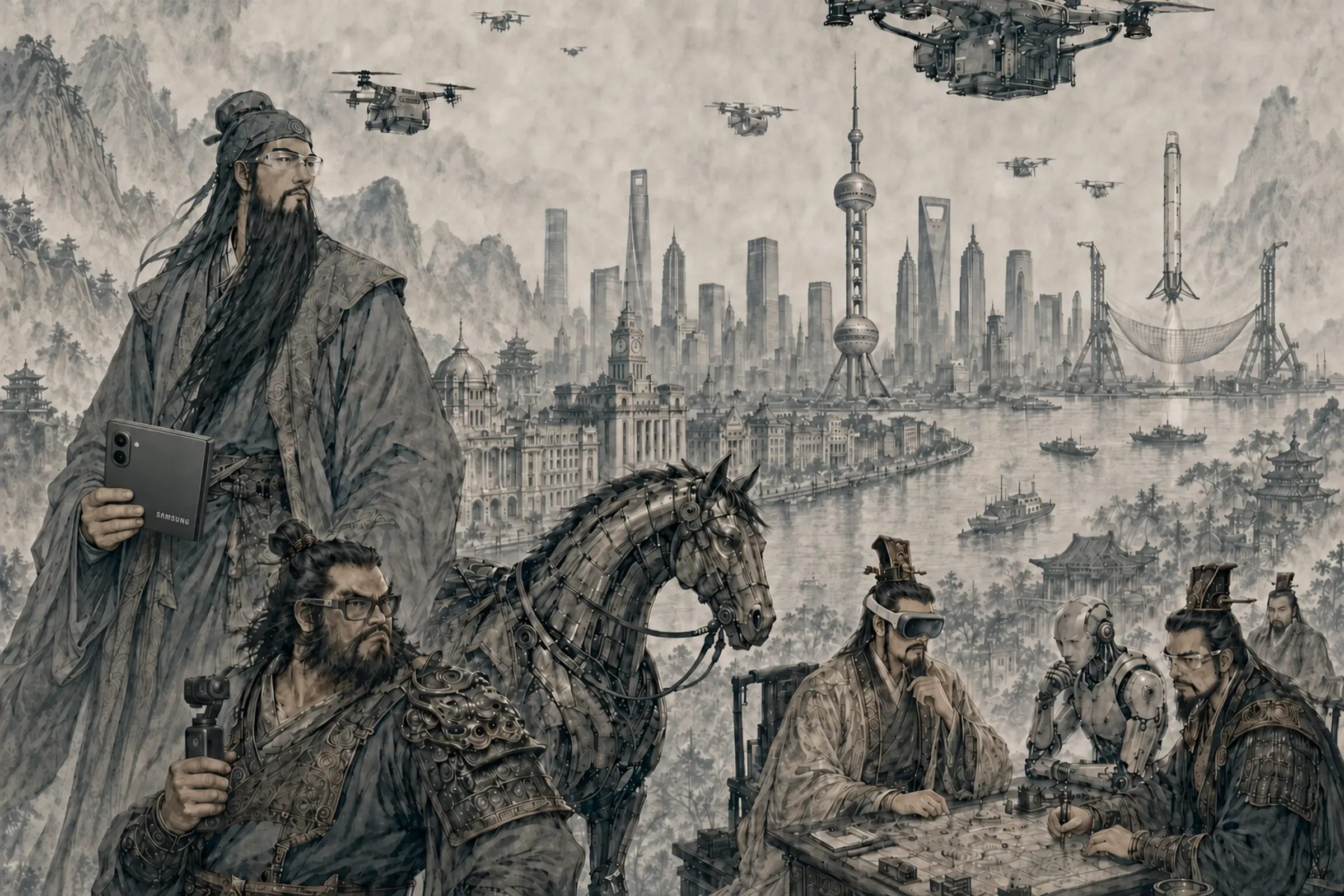
This series tracks emerging signals across AI, robotics, industrial AX, policy and markets, then asks how they may reshape corporate competition, global supply chains and international order. It places current events on a longer horizon and identifies choices Korea must prepare for.

CORE QUESTION · How will change in China reshape the future industrial order?

EXHIBITION 03 · E TODAY

How China Changes Prices — A Scale for Reading the Economy

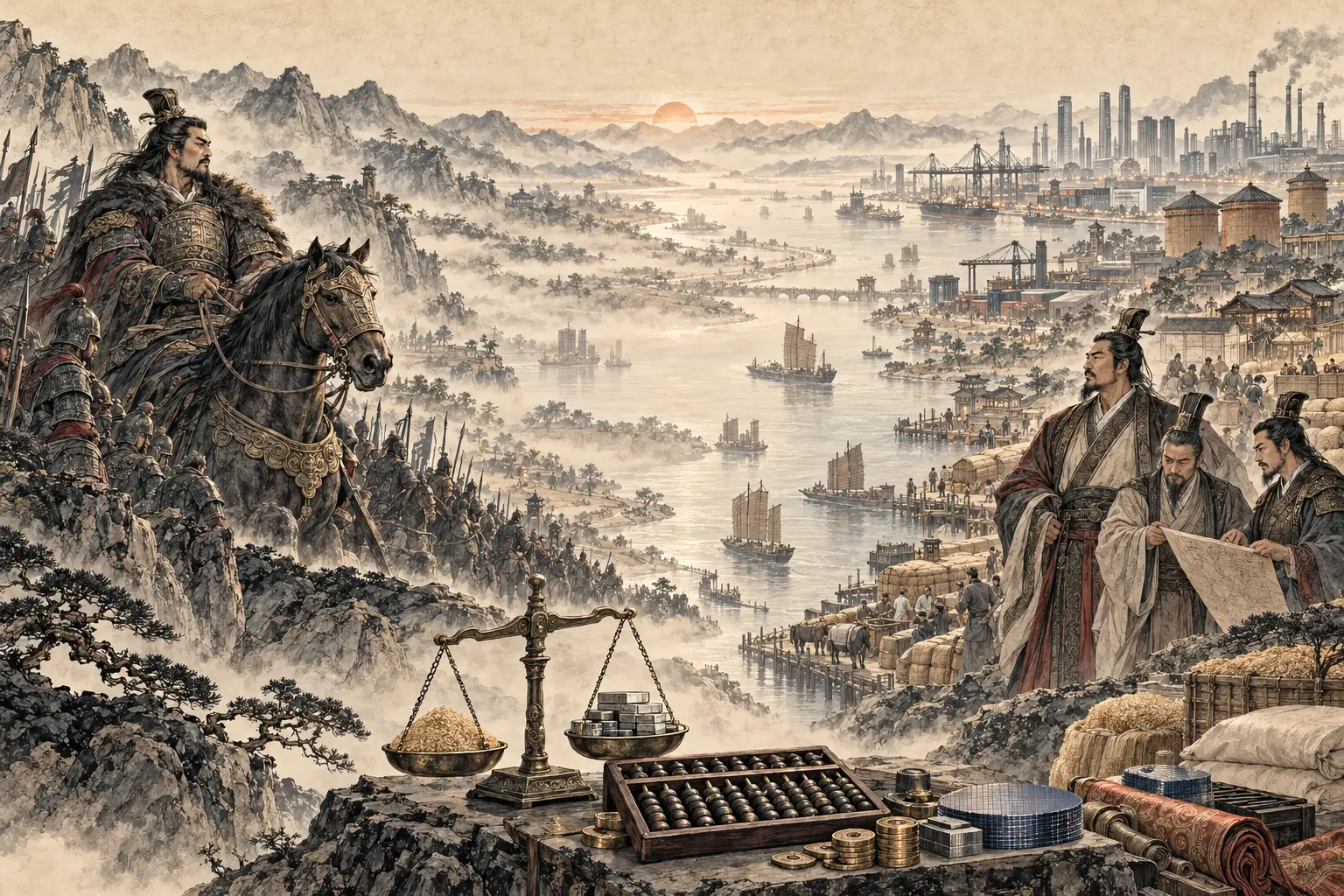
This series tracks how China’s scale, efficiency, policy, capital and platform competition alter price, cost and profit structures across AI, raw materials, manufacturing, consumer goods, logistics and finance. It looks beyond sticker prices to the total cost of completed work and where value-chain profits ultimately settle.

CORE QUESTION · What prices does China change, how, and where do the profits remain?

All three examine China: Beyond China centers on how industry works; China & the Future on where change is heading and what it will affect; How China Changes Prices on the economic transmission into prices, costs and profits.

ETNEWSJimin Park’s Beyond China
  1. 35China’s Global Expansion Is a Service Industry: The Legal, Tax, Financial and IP Systems Behind Going Overseas
  2. 34Can Foreign Companies Enter China’s Innovation System? How Foreign-Funded R&D Centers Work
  3. 33Attracting Companies Is Easier Than Keeping Them: China’s City-Level Business Retention Packages
  4. 32Industrial Parks Are More Than Land: How China’s Development-Zone and Science-City Operators Nurture Businesses
  5. 31How Corporate Credit Flows into Supplier Finance: The Mechanics of Supply Chain Finance in China
  6. 30When Patents Become Collateral: How China Uses IP-Backed Lending and Technology Insurance
  7. 29Who Owns Industrial Data? China’s Trusted Data Space Experiment
  8. 28How Public Data Becomes a Business: China’s Authorized-Operation Model and City Data Company Experiment
  9. 27Localizing the Factory Operating System: China’s Industrial Software Supply-Chain Battle
  10. 26Organizing SME Digital Transformation at the City Level: The Structure of China’s Pilot-City Policy
IT CHOSUNJimin Park’s China & the Future
  1. 34RMB 465.3 Billion, RMB 822.5 Billion and RMB 1.1 Trillion: Reading China’s Cosmetics Market Through the Numbers
  2. 33Why Ports Move Fast and Construction Lags: Four Conditions Shaping China’s AI Transformation
  3. 32Factories Don’t Run on Chatbots: The Real Sequence of Manufacturing AX in China
  4. 31Must DX Be Completed Before AX Begins? China Is Running Both Transformations in Parallel
  5. 30Chinese Capital Beyond the Renminbi: Designing Supply Chains and Exit Routes in Dollars
  6. 29The Dollars Receded, but the Fund Managers Stayed: How Foreign VCs Survive in China
  7. 28China’s VC Strength Goes Beyond Capital Size: Industrial Finance Built by Government, Cities and Corporate Giants
  8. 27Beyond Proprietary LLMs: Operational Control in Chinese Enterprise AX ②
  9. 26Why China Created WAICO: Institutionalizing AI’s Global Expansion
  10. 25From Companies Using AI to Companies Where AI Acts First: China’s Enterprise AX ①

DAILY AUTO-SYNC · ORIGINAL SOURCE VERIFIED

New columns in all three series are checked daily and displayed newest-first after the original source is verified.